The Rural Health Landscape in NW Oklahoma
Navigating ACEs and SDOH

Our health is shaped long before we step foot into a doctor's office. In Northwest Oklahoma, the well-being of our community is deeply interconnected with our environment, our economic stability, and our earliest life experiences. To truly understand and improve the rural health landscape in our region, we must look closely at the impact of Adverse Childhood Experiences (ACEs) and the Social Determinants of Health (SDOH)—or what the state of Oklahoma now refers to as "Drivers of Health".



Poor Social Outcomes
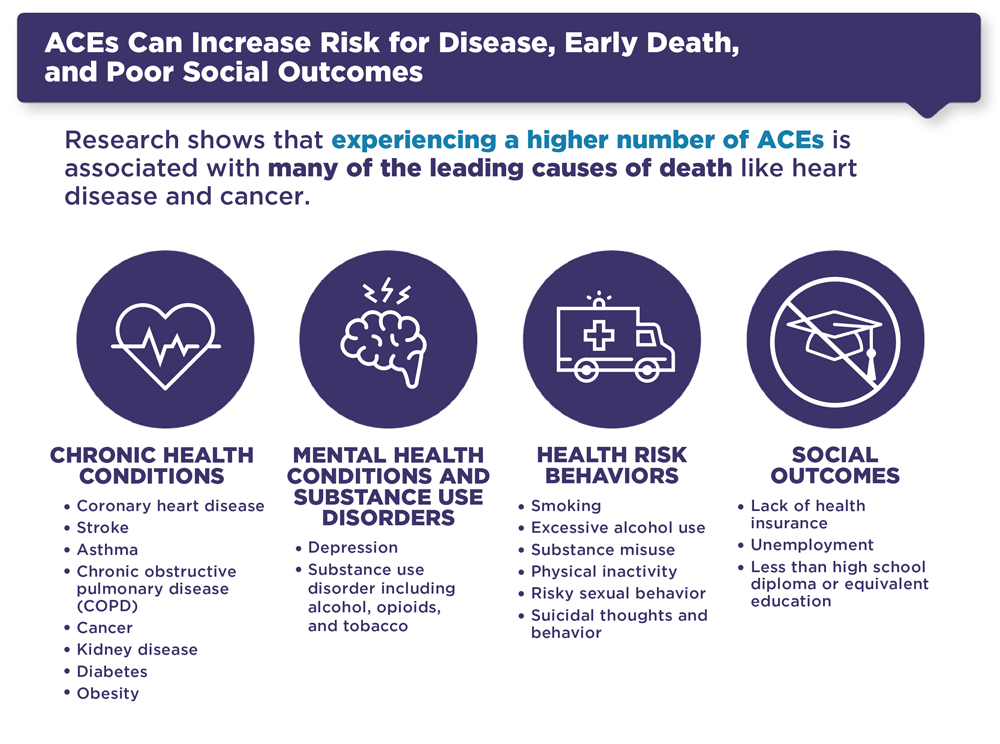
ACEs can also negatively impact life trajectories, increasing the likelihood of unemployment, lacking health insurance, and obtaining less than a high school diploma or equivalent education.
Health Risk Behaviors
Increased ACEs are associated with smoking, excessive alcohol use, physical inactivity, risky sexual behavior, and suicidal thoughts.
Mental Health and Substance Use
Individuals with higher ACEs face greater risks for depression and substance use disorders, including the misuse of alcohol, opioids, and tobacco.
Chronic Health Conditions
ACEs are linked to coronary heart disease, stroke, asthma, Chronic Obstructive Pulmonary Disease (COPD), cancer, kidney disease, diabetes, and obesity.
The Lasting Impact of Adverse Childhood Experiences (ACEs)
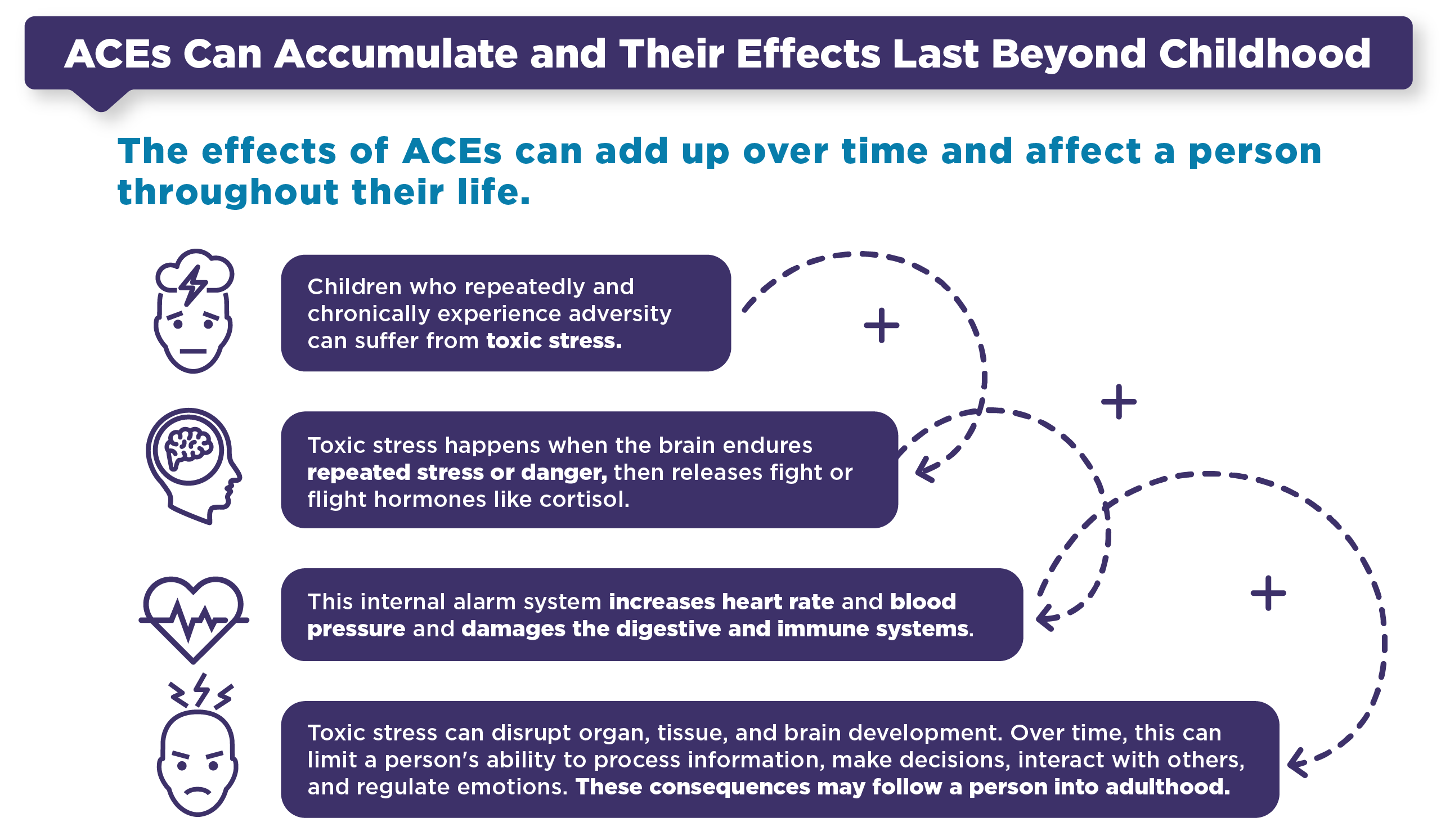
Childhood trauma does not just fade with time; it physically alters long-term health outcomes. Research shows that experiencing a higher number of ACEs is directly associated with many of the leading causes of early death, including heart disease and cancer.
01
Mental Health as a Priority
About 1 in 5 adults and 1 in 6 youth statewide are affected by mental health challenges. Locally, 23.6% of Garfield County residents report having been told they have a depressive disorder.
02
Barriers to Healthcare
Approximately one-third of surveyed Garfield County residents experienced difficulties accessing healthcare in the past year. The primary barriers cited were cost, long waiting times, and lacking health insurance.
03
Food Insecurity and Chronic Disease
Garfield County's adult obesity rate sits at a concerning 42.6%. While 85.5% of surveyed residents noted that better prices would help them eat more fruits and vegetables, 13% of the county's population lacks a reliable source of food entirely.
04
The Built Environment
Local surveys show that residents believe mental health resources and more walking or physical activity options would significantly improve the community's health. Furthermore, 74.5% of residents agreed that adding more sidewalks to connect them to places like stores or restaurants would help them be more physically active.
The 2023–2028 Oklahoma State Health Improvement Plan (SHIP) adopts the term "Drivers of Health" to emphasize that conditions like economic stability, neighborhood environments, and access to education are the root causes of our most pressing health inequities. Addressing these drivers is especially critical in rural areas like Northwest Oklahoma, where accessibility and affordability are common hurdles.
Recent data from the Garfield County Community Health Needs Assessment (CHNA), the Human Services Alliance (HSA) survey, and the TSET Healthy Living Program highlight exactly how these drivers are playing out in our neighborhoods.
Drivers of Health in Garfield County and Beyond
A Path Forward
The data makes one thing clear: health improvement requires multi-pronged, systems-level interventions. By addressing the root causes of trauma and removing the barriers to basic resources, we can build a stronger, healthier Northwest Oklahoma. At RHP, we are committed to fostering community-based solutions, empowering local families, and transforming the drivers of health so that every resident has the opportunity to thrive.