NwAHEC | Northwest Area Health Education Center

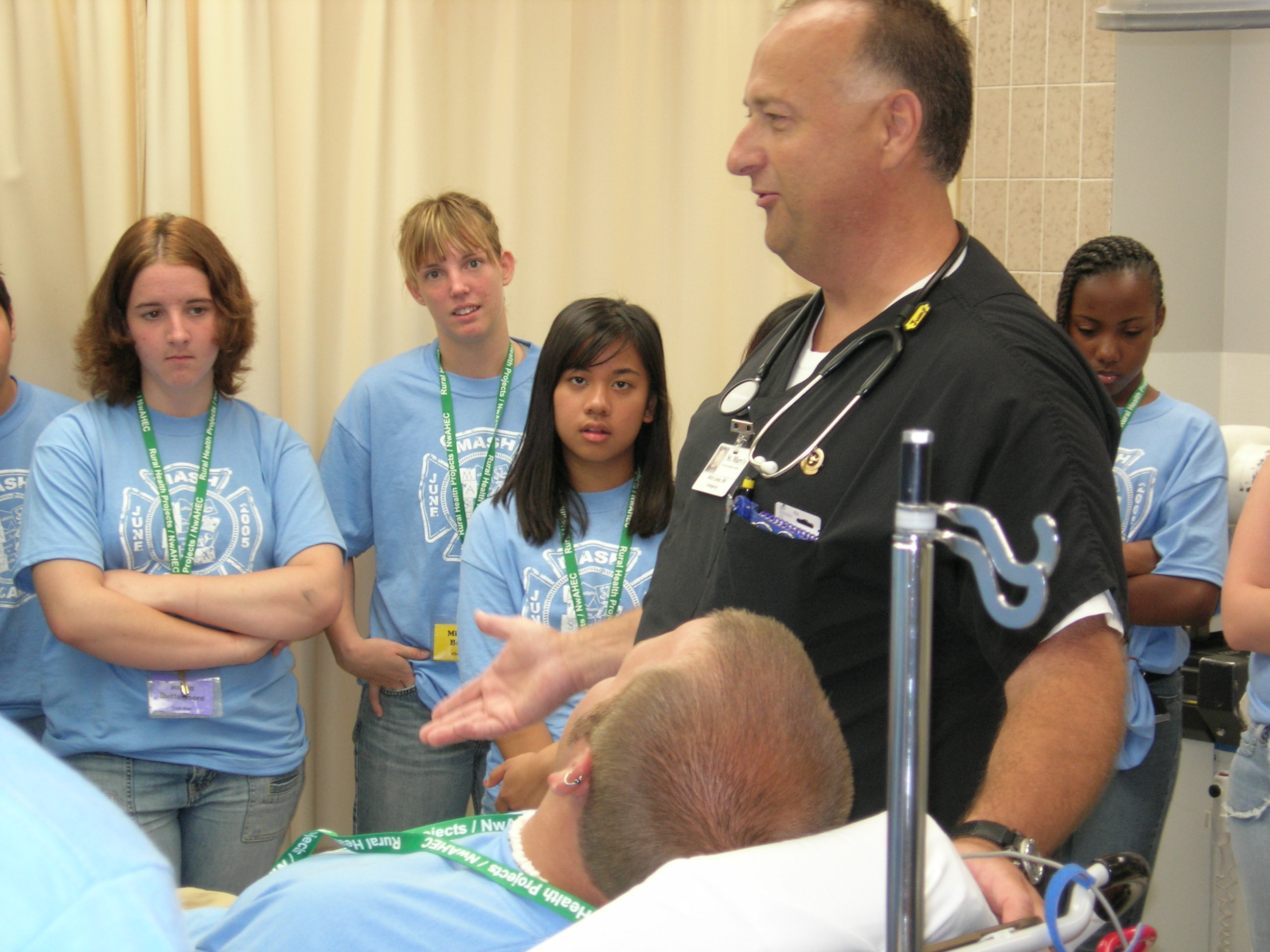
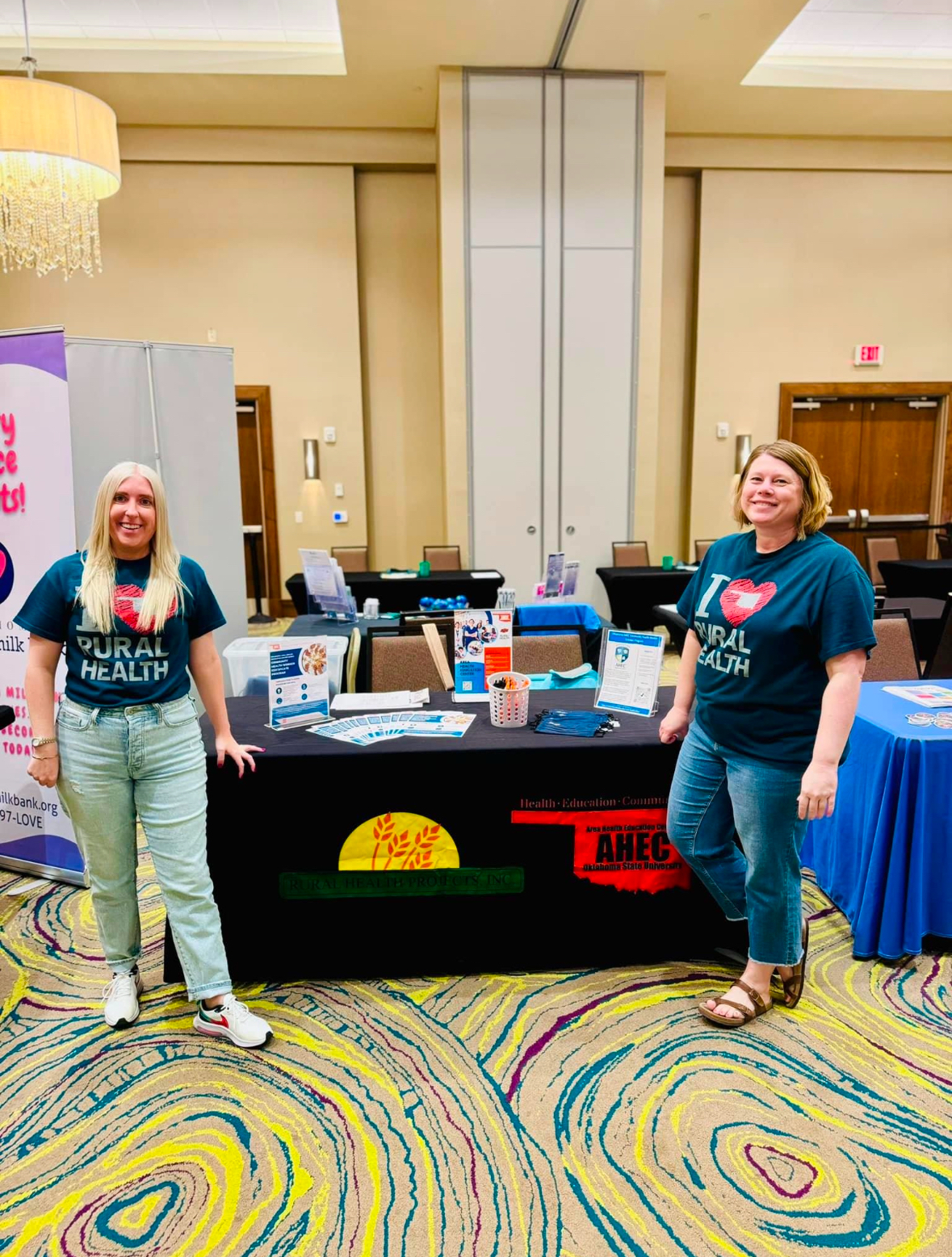
The Area Health Education Centers (AHEC) program recruits individuals from rural backgrounds into health professions and provides community-based training and education in underserved areas to develop a healthcare workforce with a focus on primary care. We prepare individuals through field placements in community-based organizations, health centers, and clinics, and conduct interdisciplinary training involving various health professionals. We offer continuing education programs for professionals providing care in underserved areas, implement effective program measurement and evaluation strategies, and establish youth public health programs to recruit high school students into health careers.
Our History
-
Timeline: 2006 – Ongoing.
-
History: RHP's local execution of the AHEC regional framework began operations in 2006. The program has run continuously for two decades through successive federal awards, with the current five-year prime project period running from September 1, 2022, through August 31, 2027. It represents RHP's longest-standing healthcare workforce stabilization project.
Where We Serve
A comprehensive 19-county regional coverage footprint spanning five distinct administrative grids: Alfalfa, Blaine, Dewey, Major, Woods, Woodward, Garfield, Grant, Kay, Logan, Noble, Payne, Beaver, Cimarron, Texas, Harper, Ellis, Roger Mills, and Custer.
Funding the Program
Managed primarily via a federal grant from the Health Resources and Services Administration (HRSA) Bureau of Health Workforce, administered as a subaward through the Oklahoma State University (OSU) Center for Health Sciences.
Collaboration
Oklahoma State University (OSU) Center for Health Sciences, Northwestern Oklahoma State University (NWOSU) Alva and Enid campuses, Great Salt Plains Health Center, INTEGRIS Bass Baptist Health Center, St. Mary’s Regional Medical Center, Panhandle Cares Association, Oklahoma City University, Western Oklahoma State, and Conners State.

_mp4.jpg)
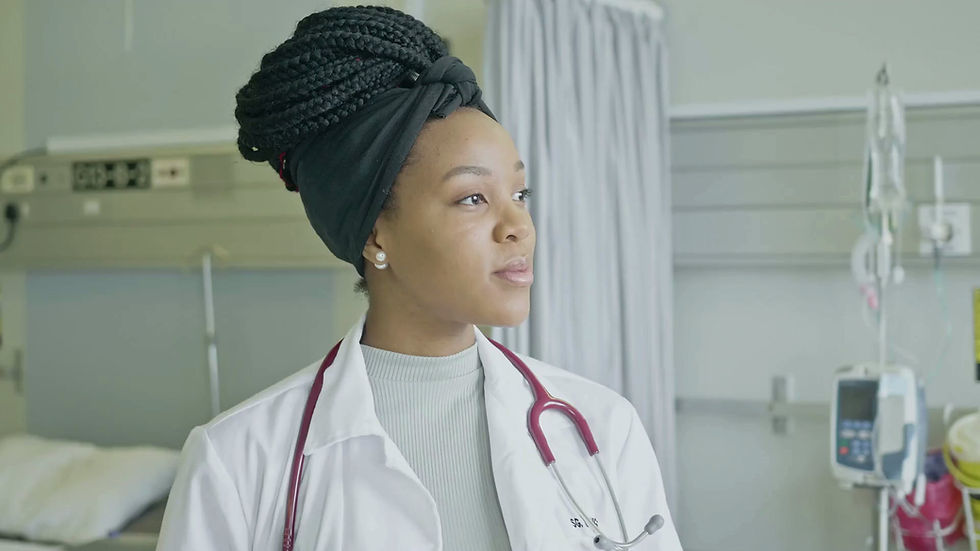
"Grow Its Own" Workforce Pipeline:
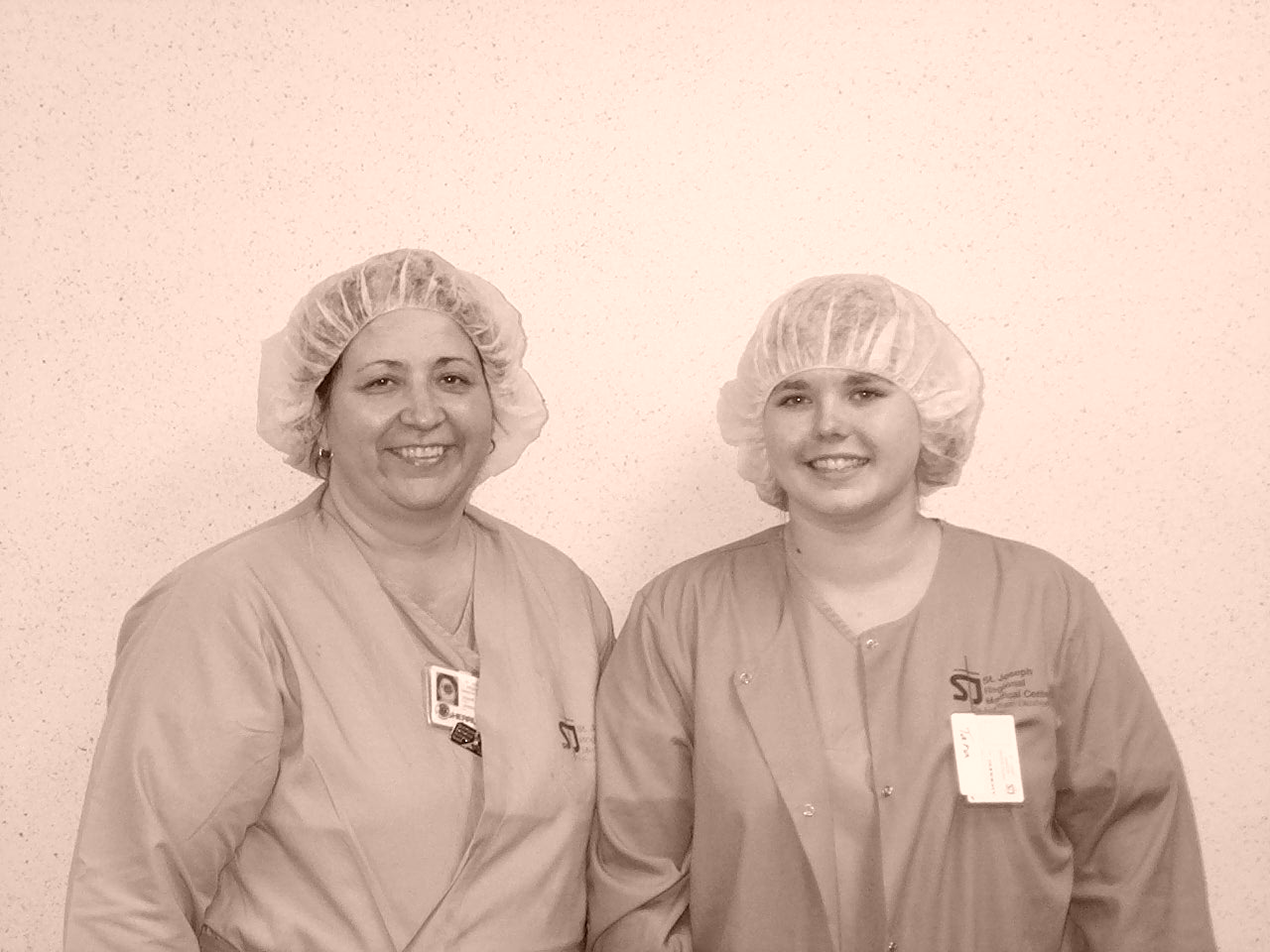
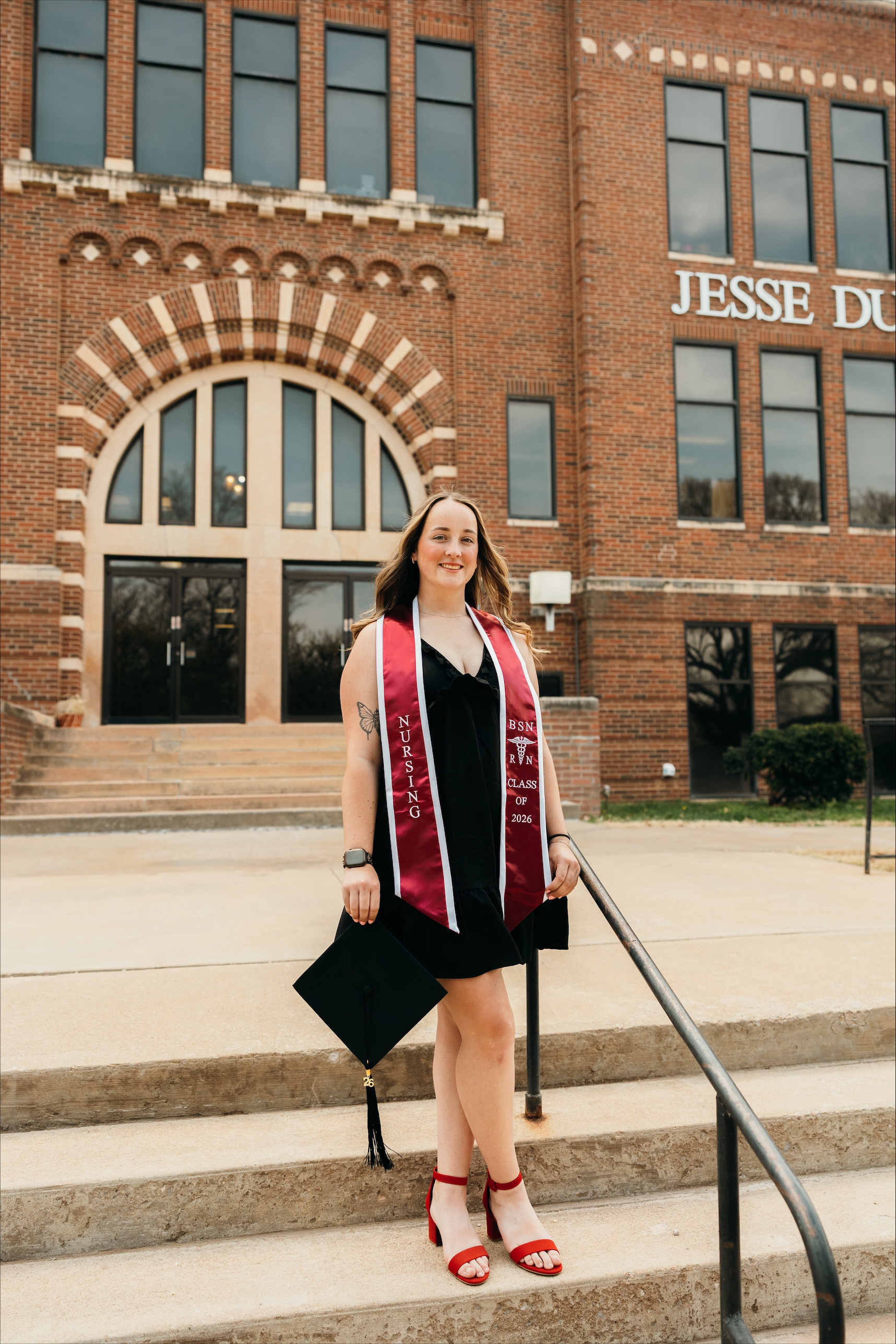
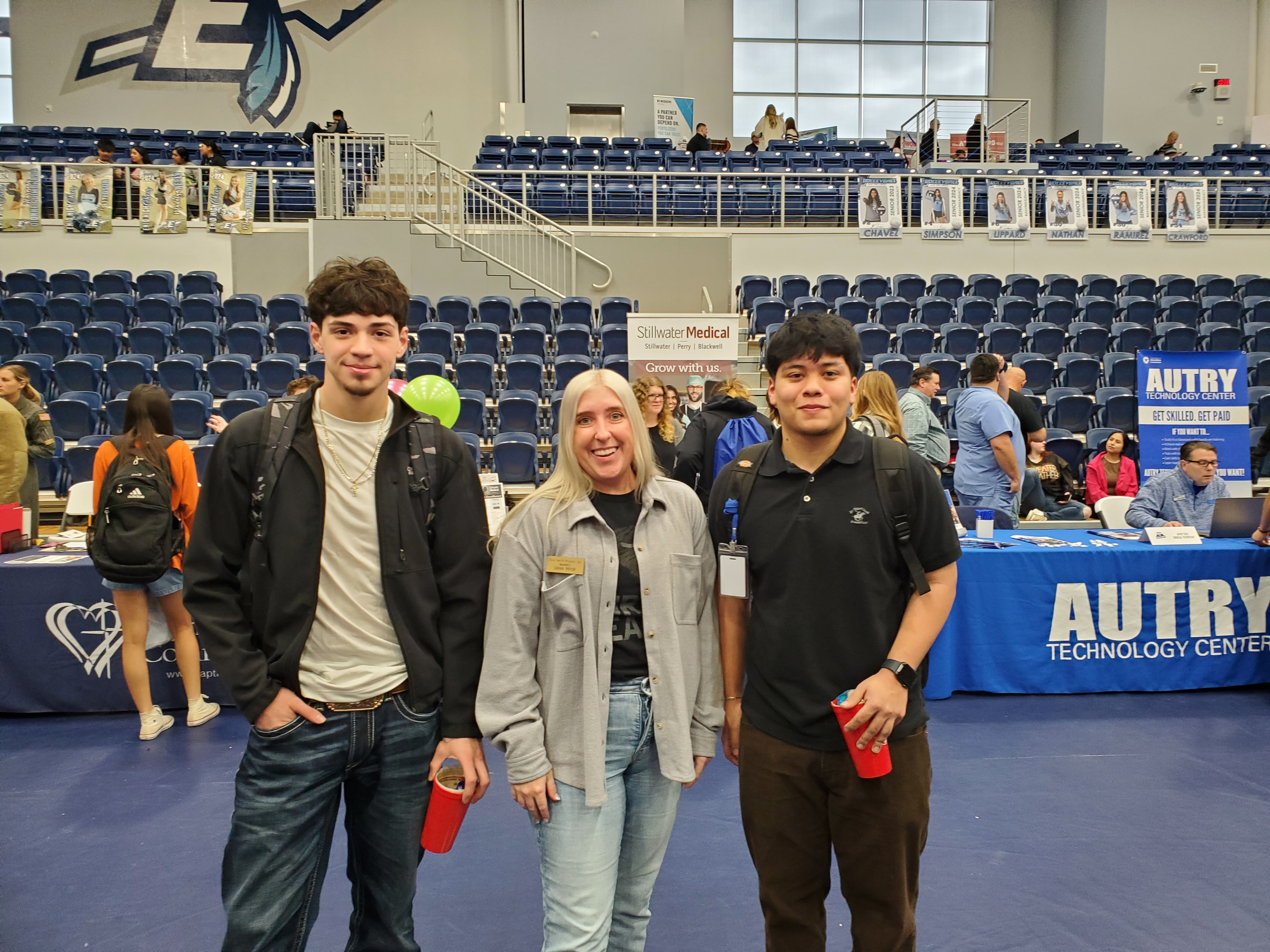
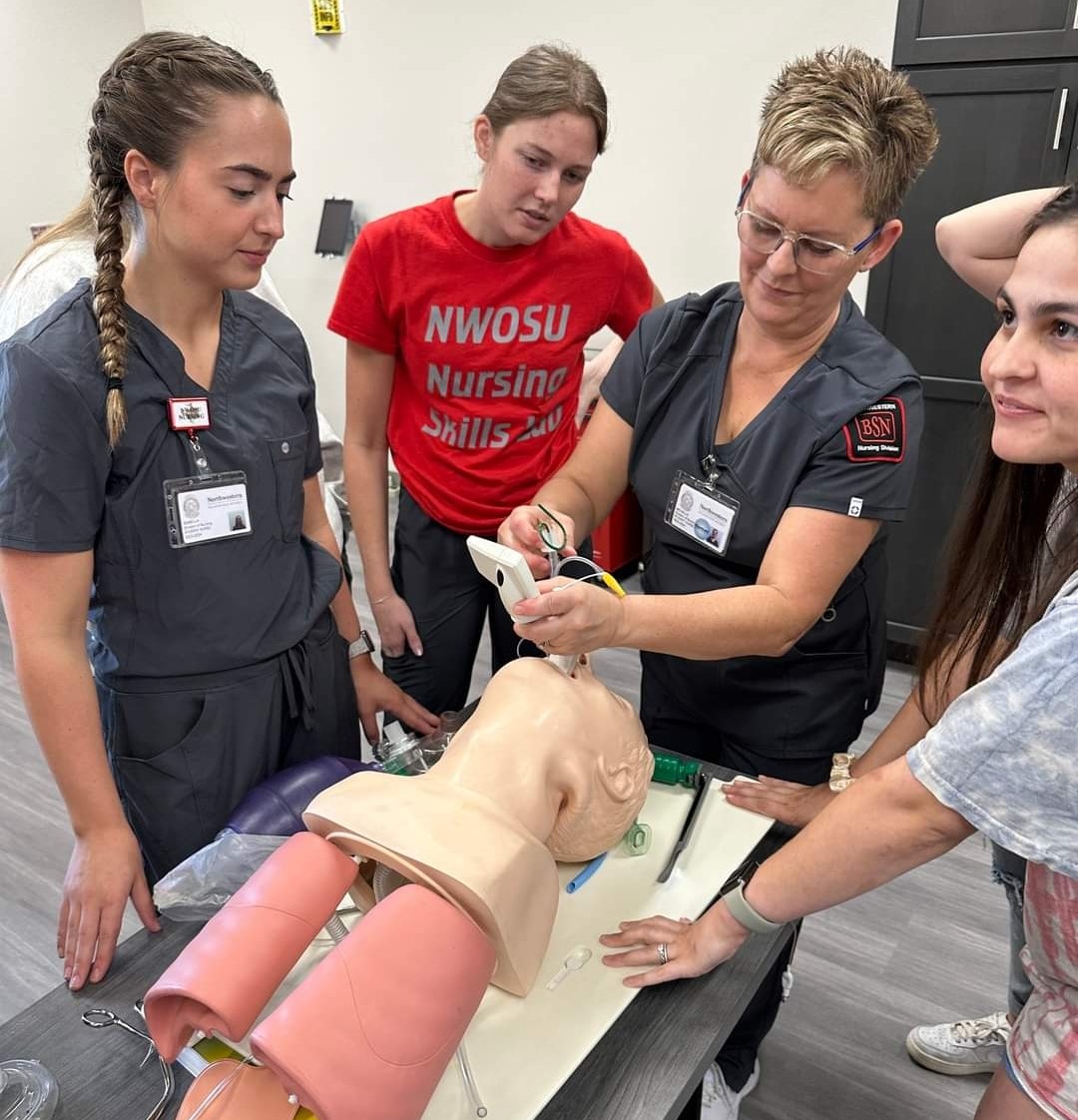
We address regional provider shortages by recruiting and training students from rural backgrounds, building a sustainable healthcare workforce from the ground up.
Community Health Worker (CHW) Program:
We train and empower local CHWs to serve as vital bridges to care, utilizing specialized training and community clubs to address local health needs and improve outcomes.
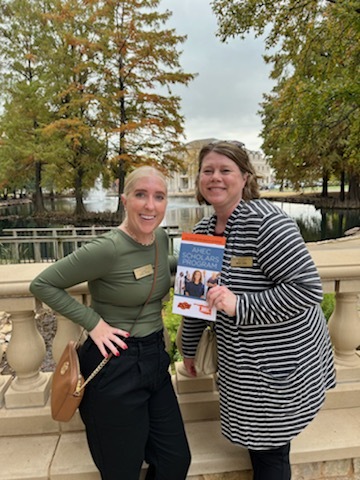
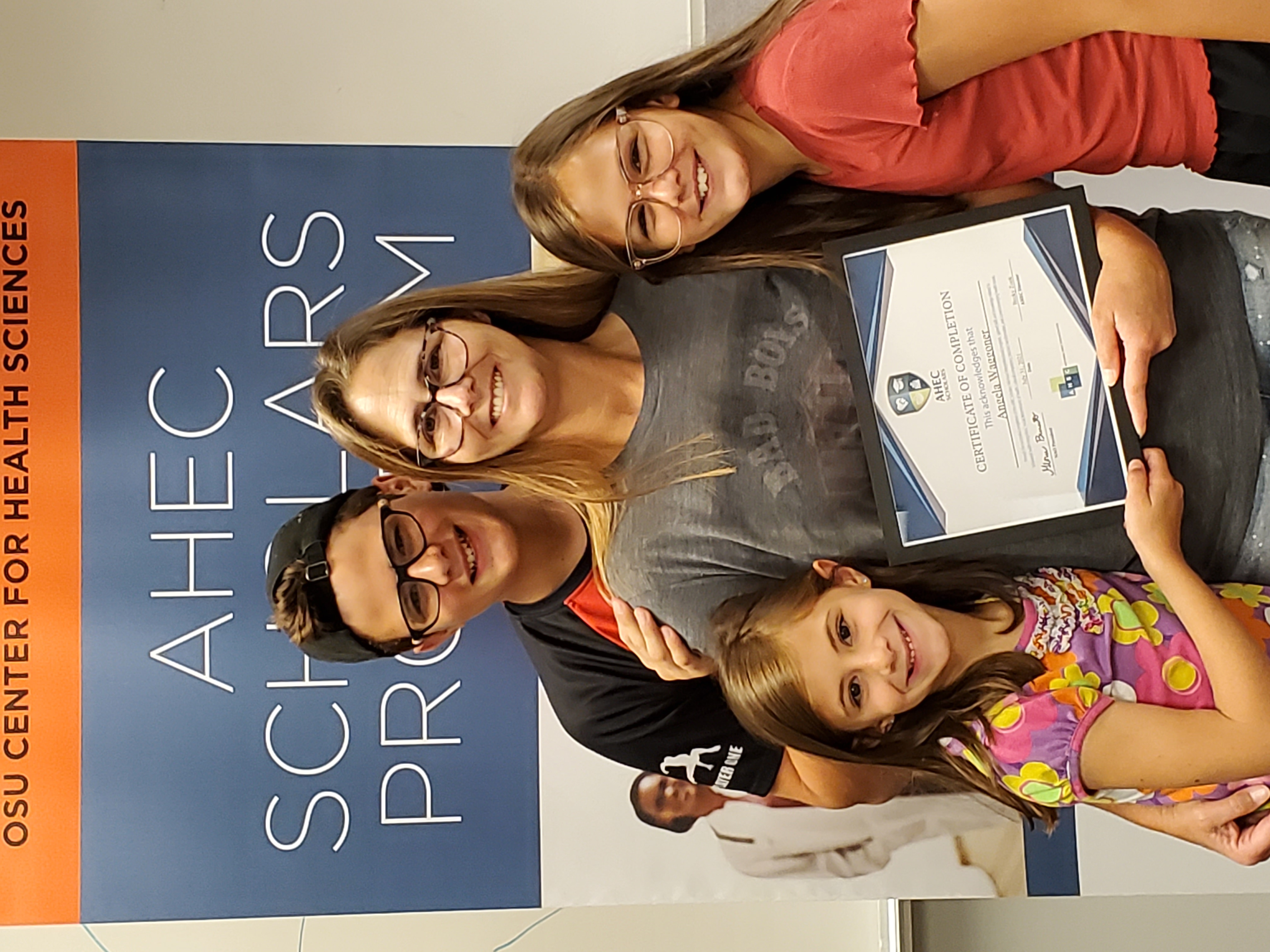
AHEC Scholars Program:
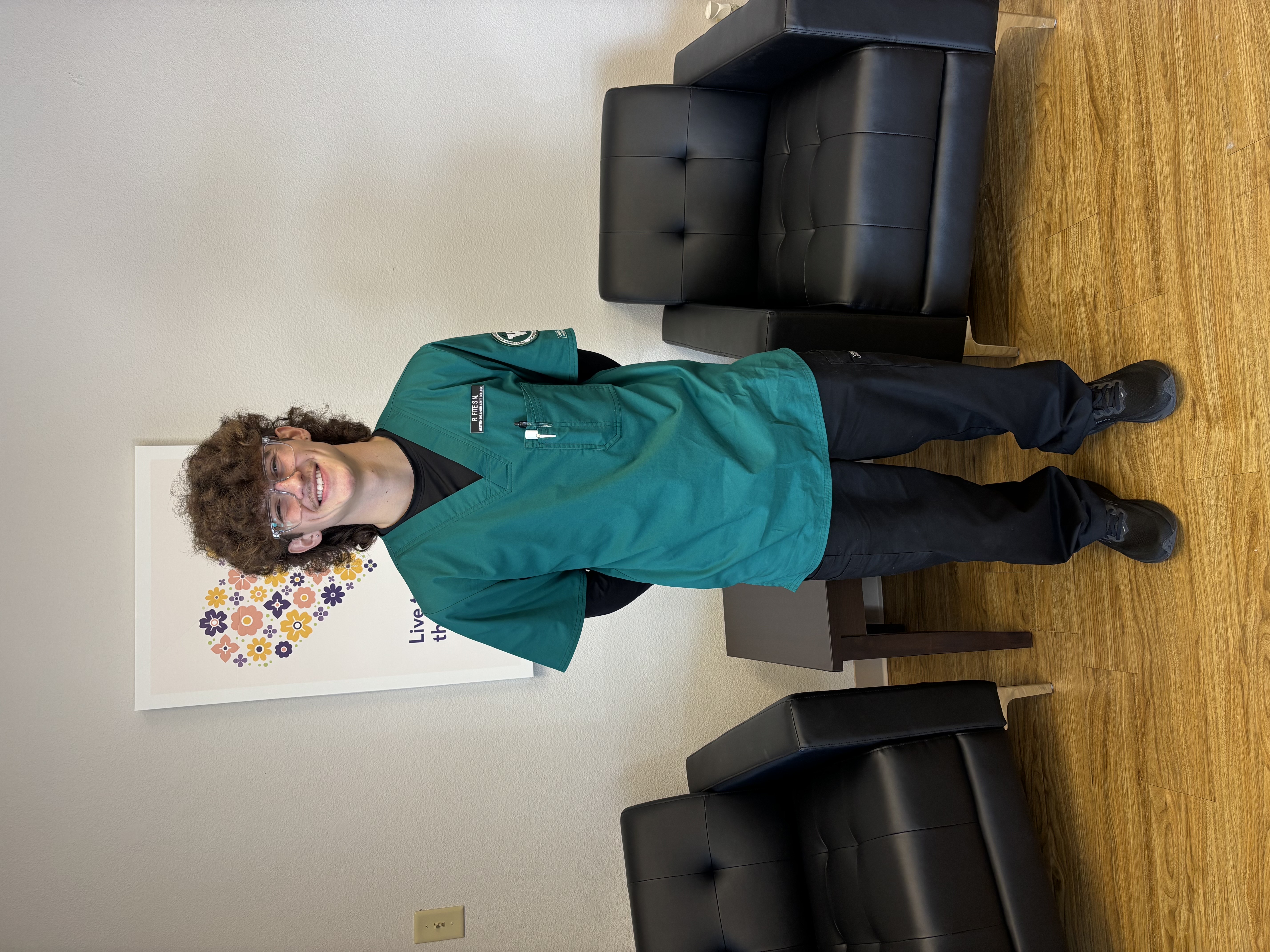
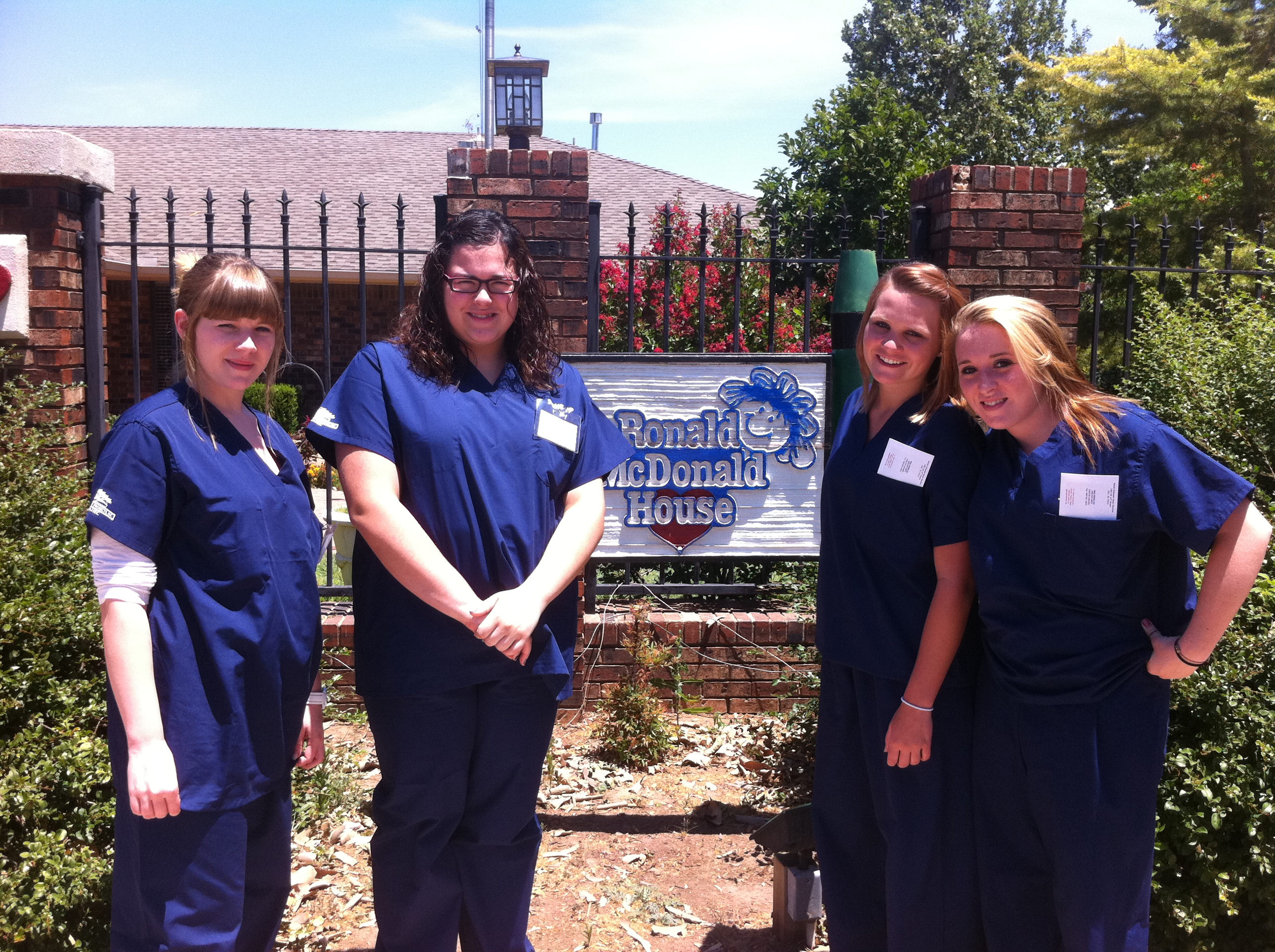
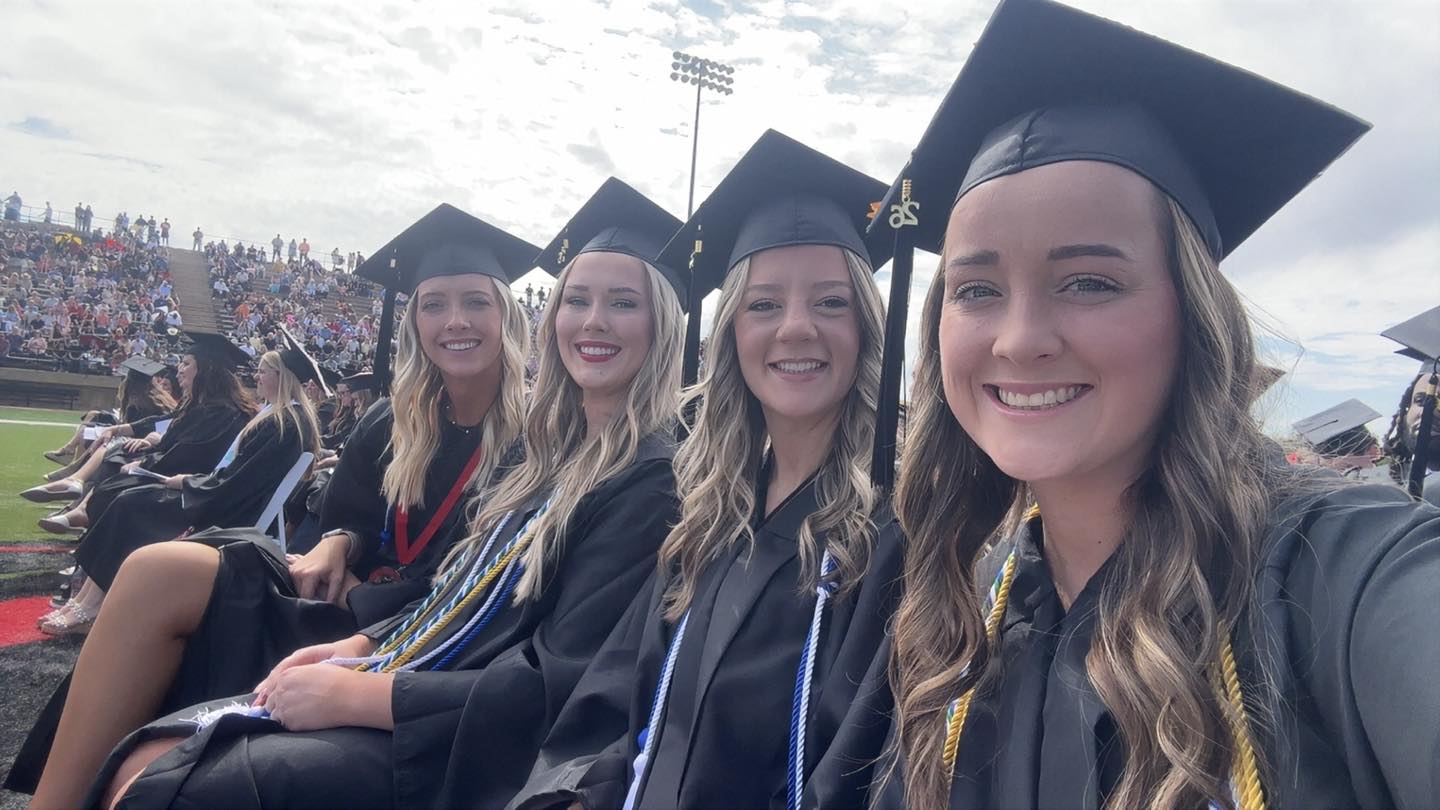
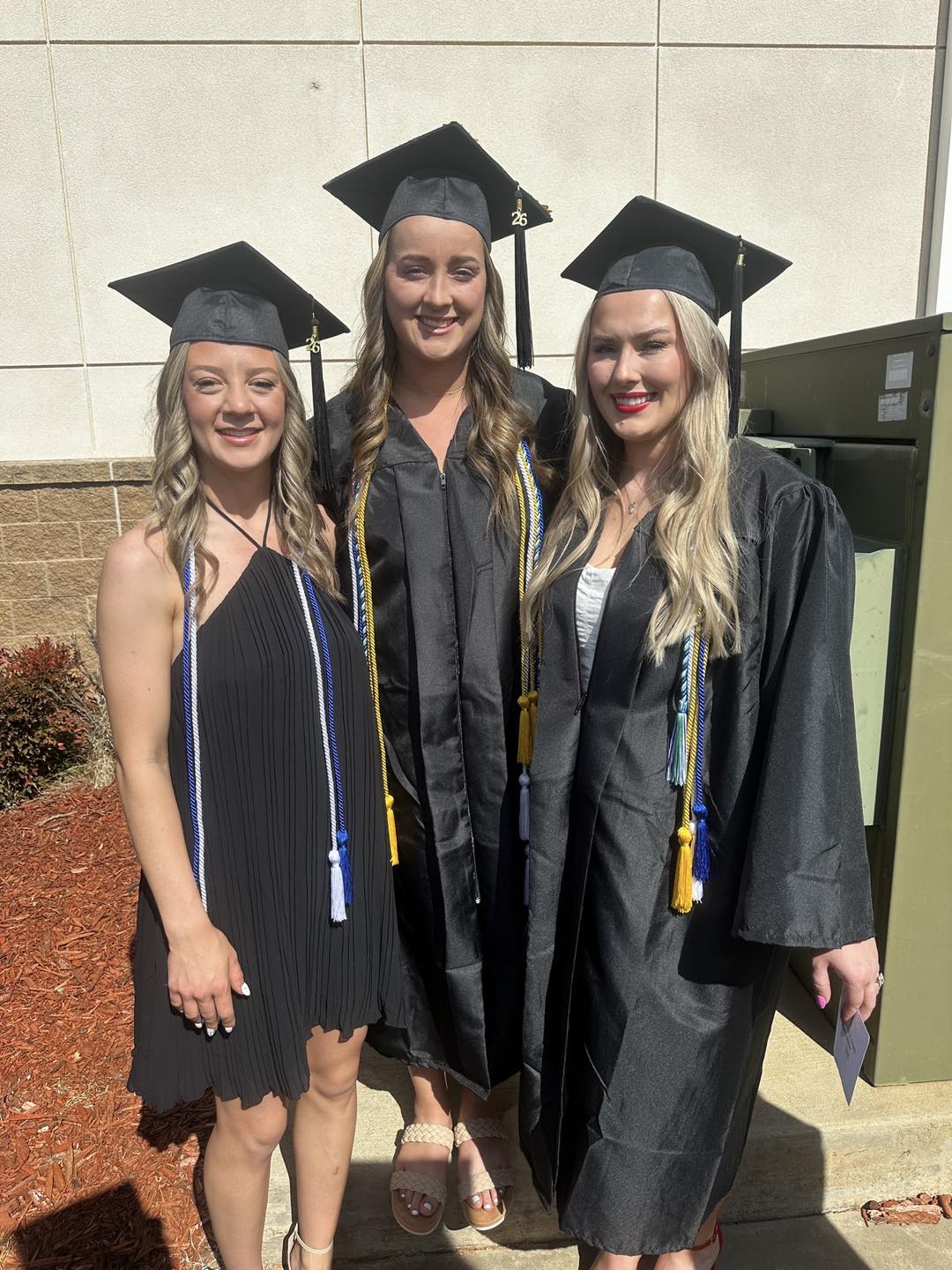
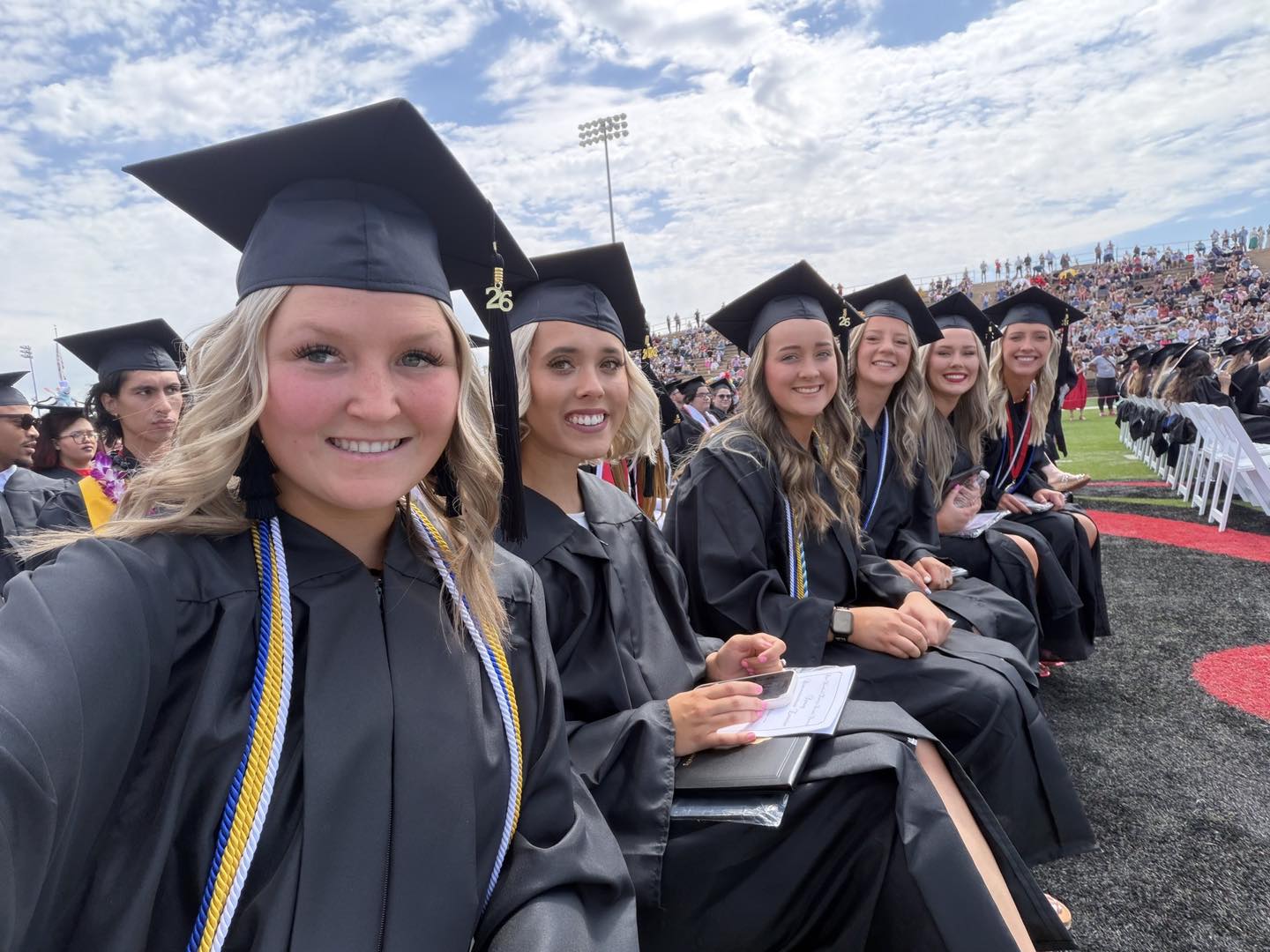
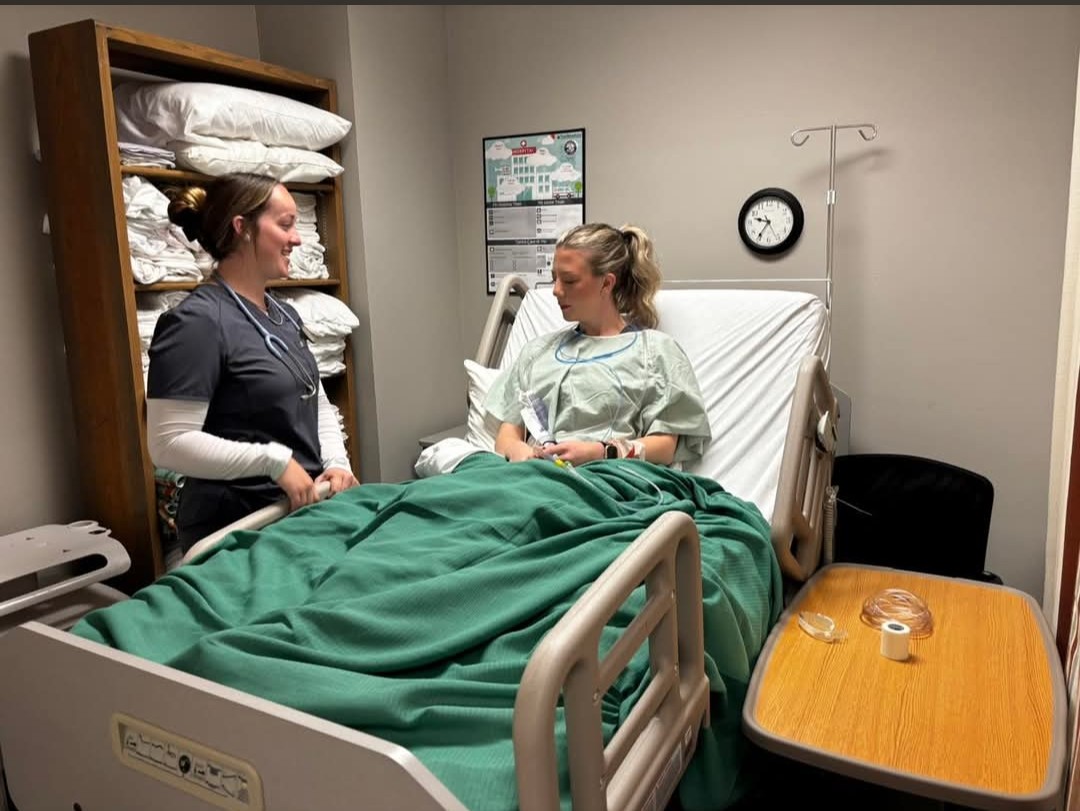
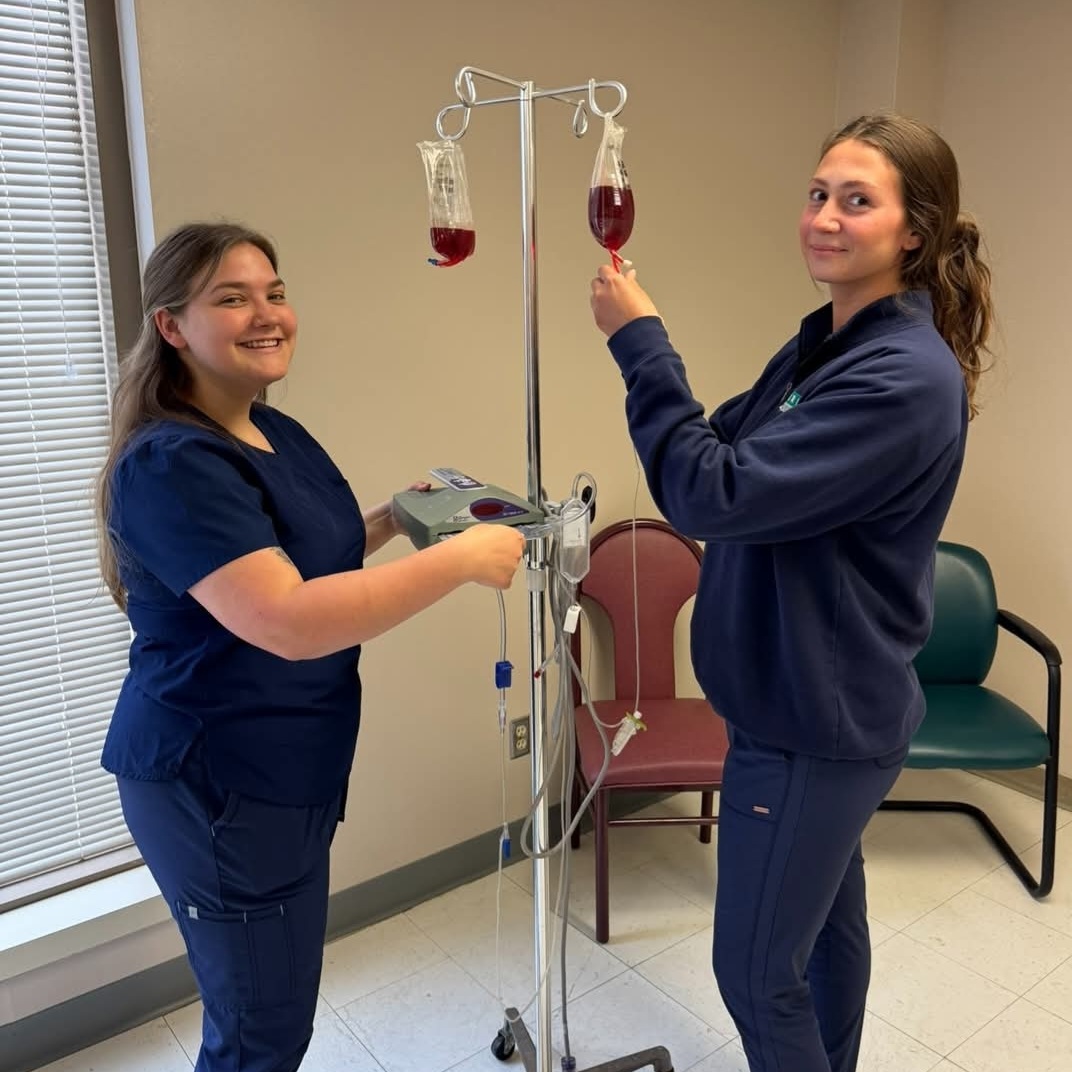
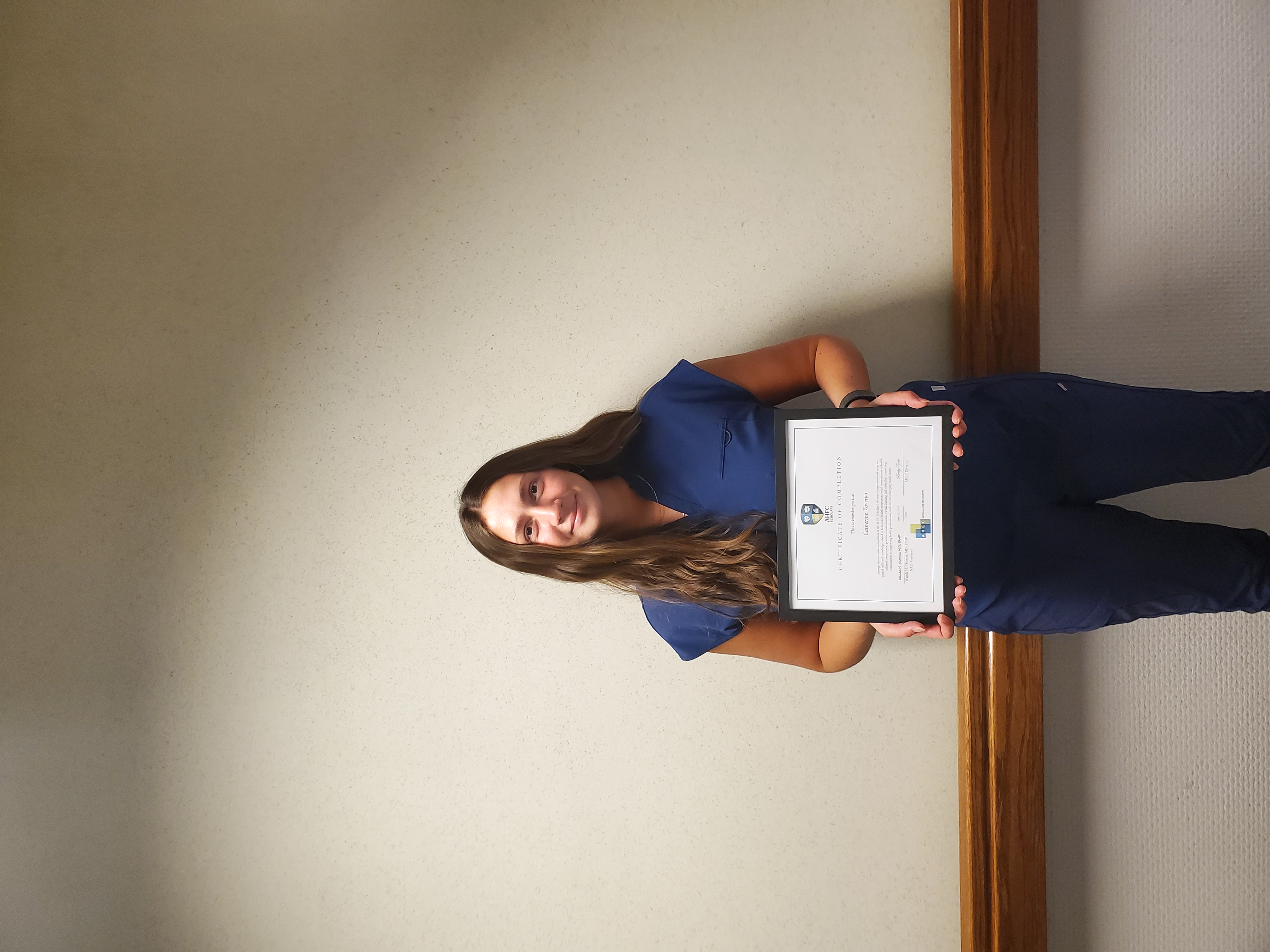
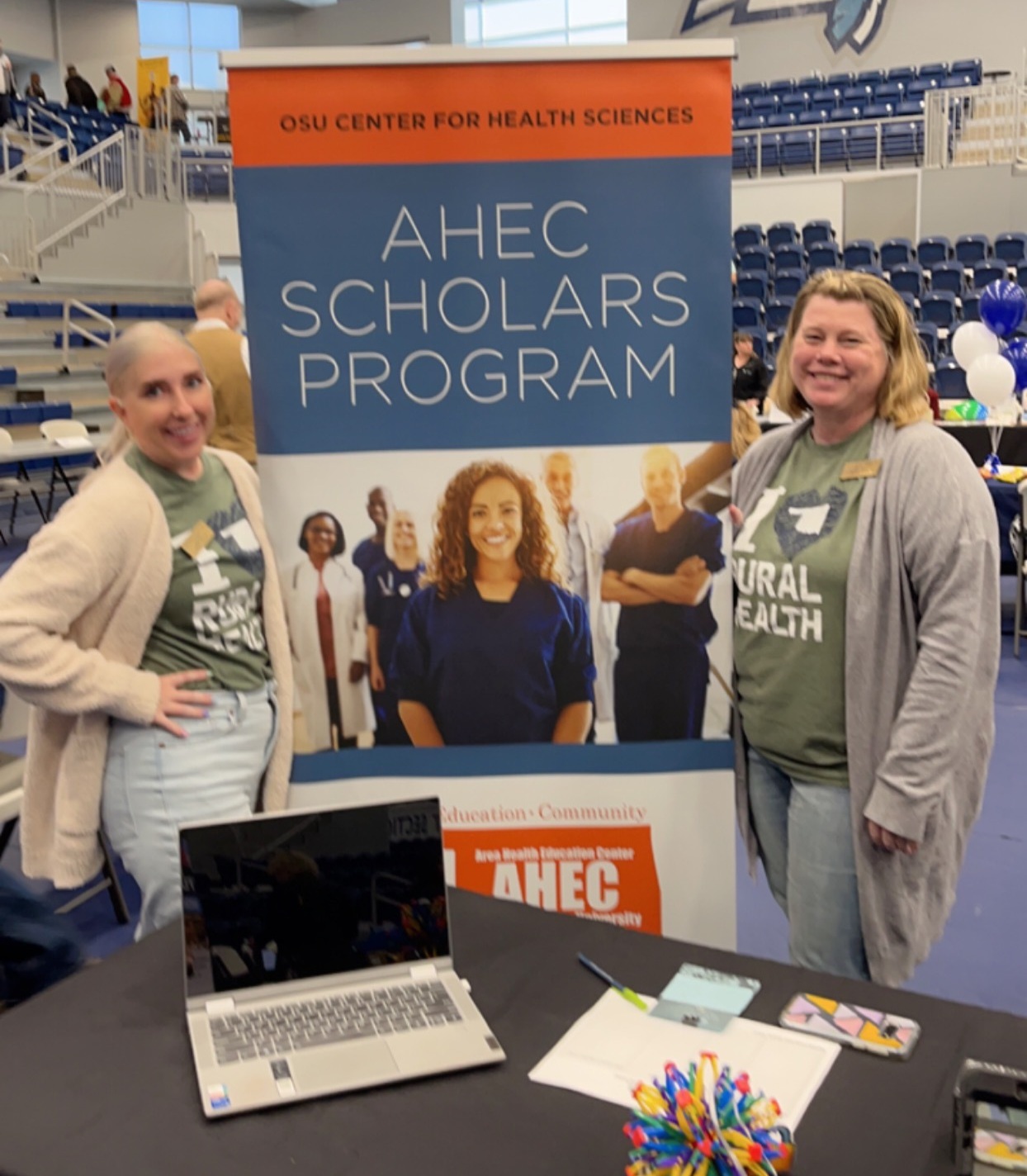
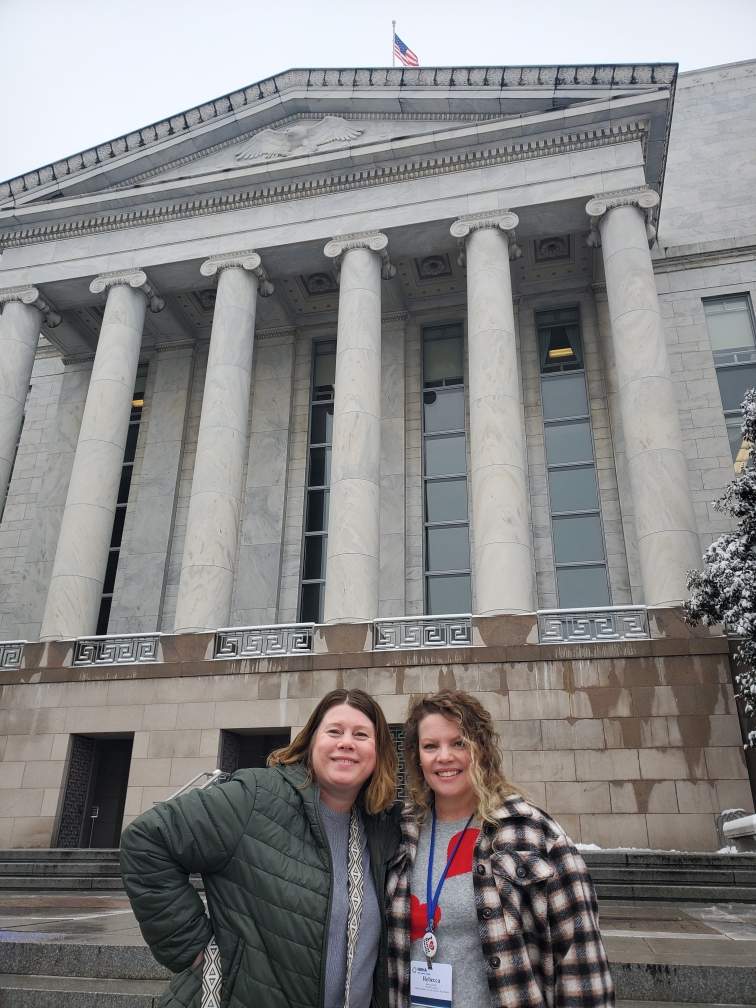
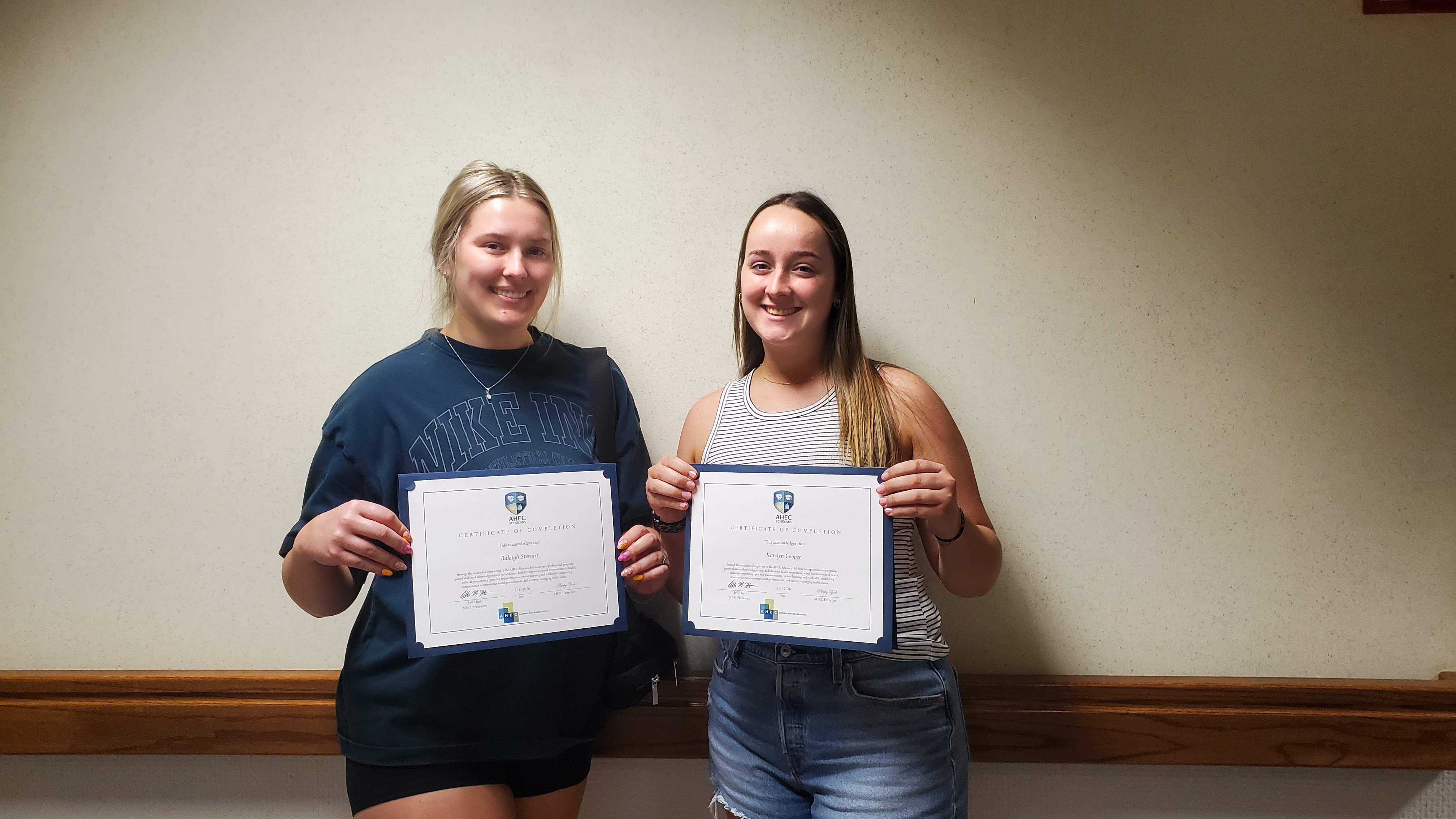
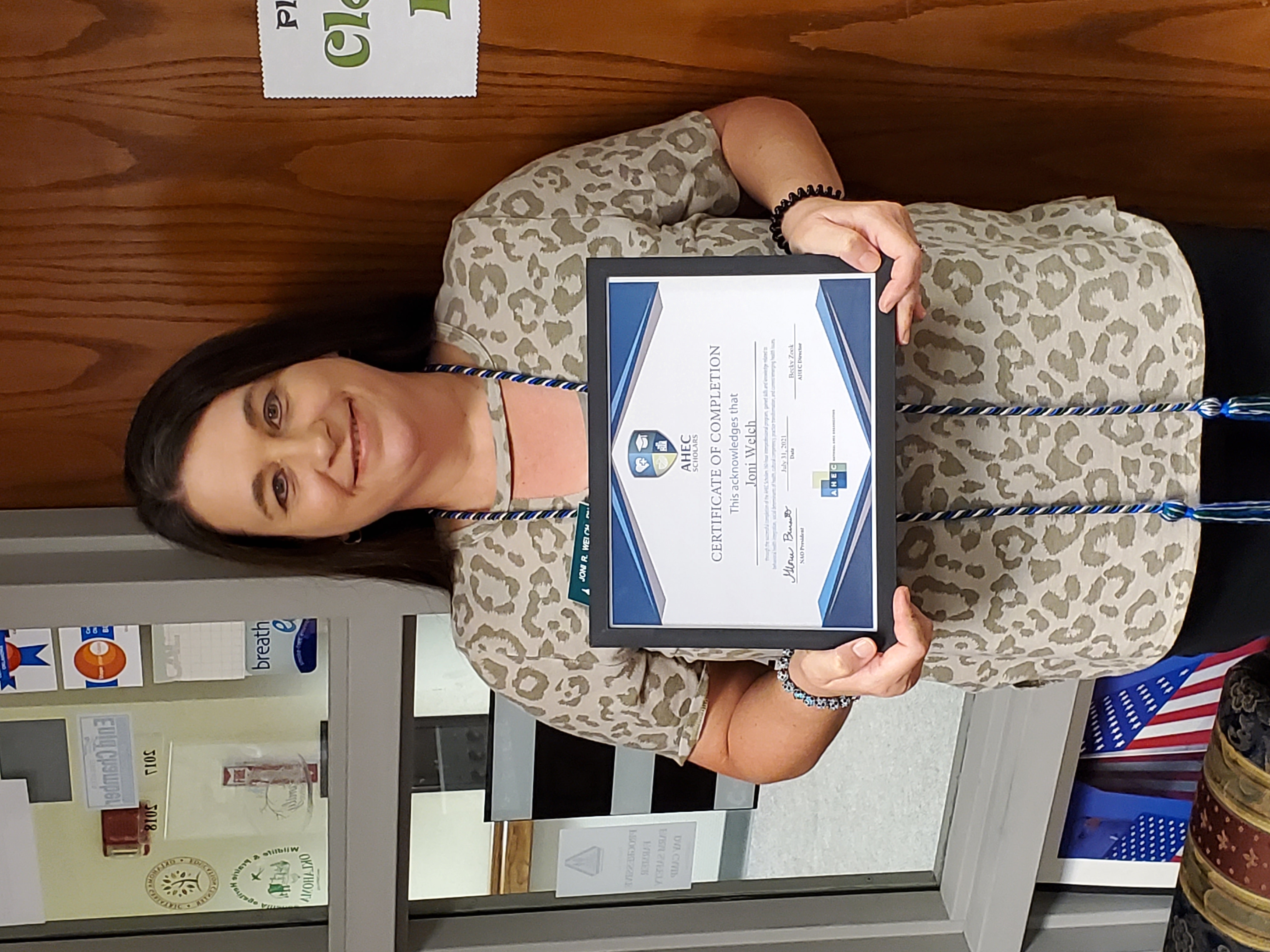
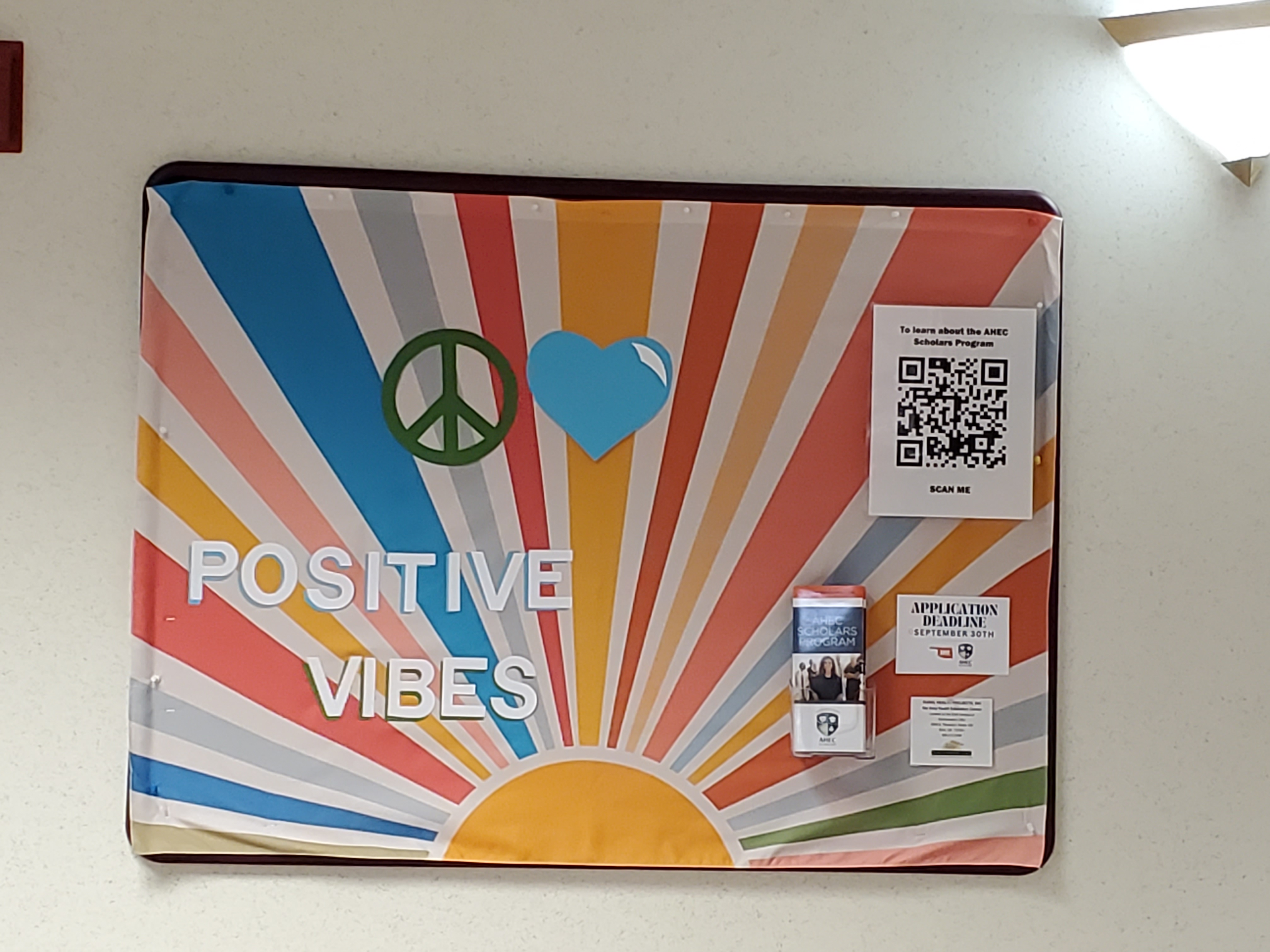
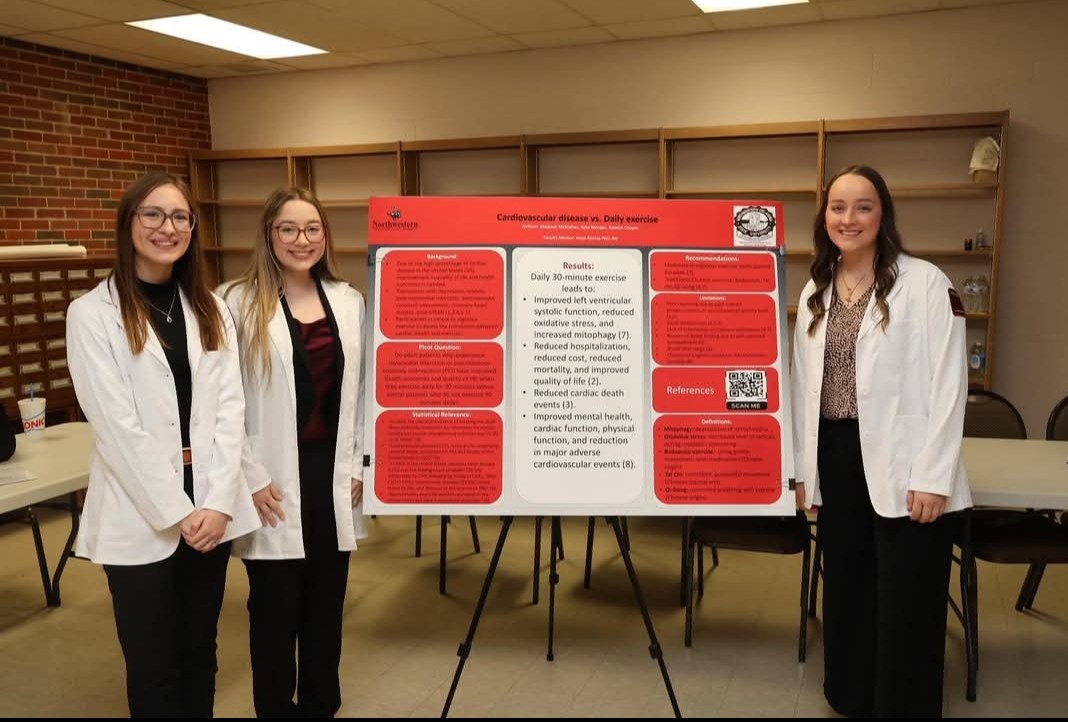
A two-year interdisciplinary curriculum that prepares health profession students for rural practice, behavioral health, and clinical leadership.
Tech-Enabled Exploration:
We use immersive tools like Virtual Reality and interactive programming to inspire students in remote areas to pursue healthcare careers.









































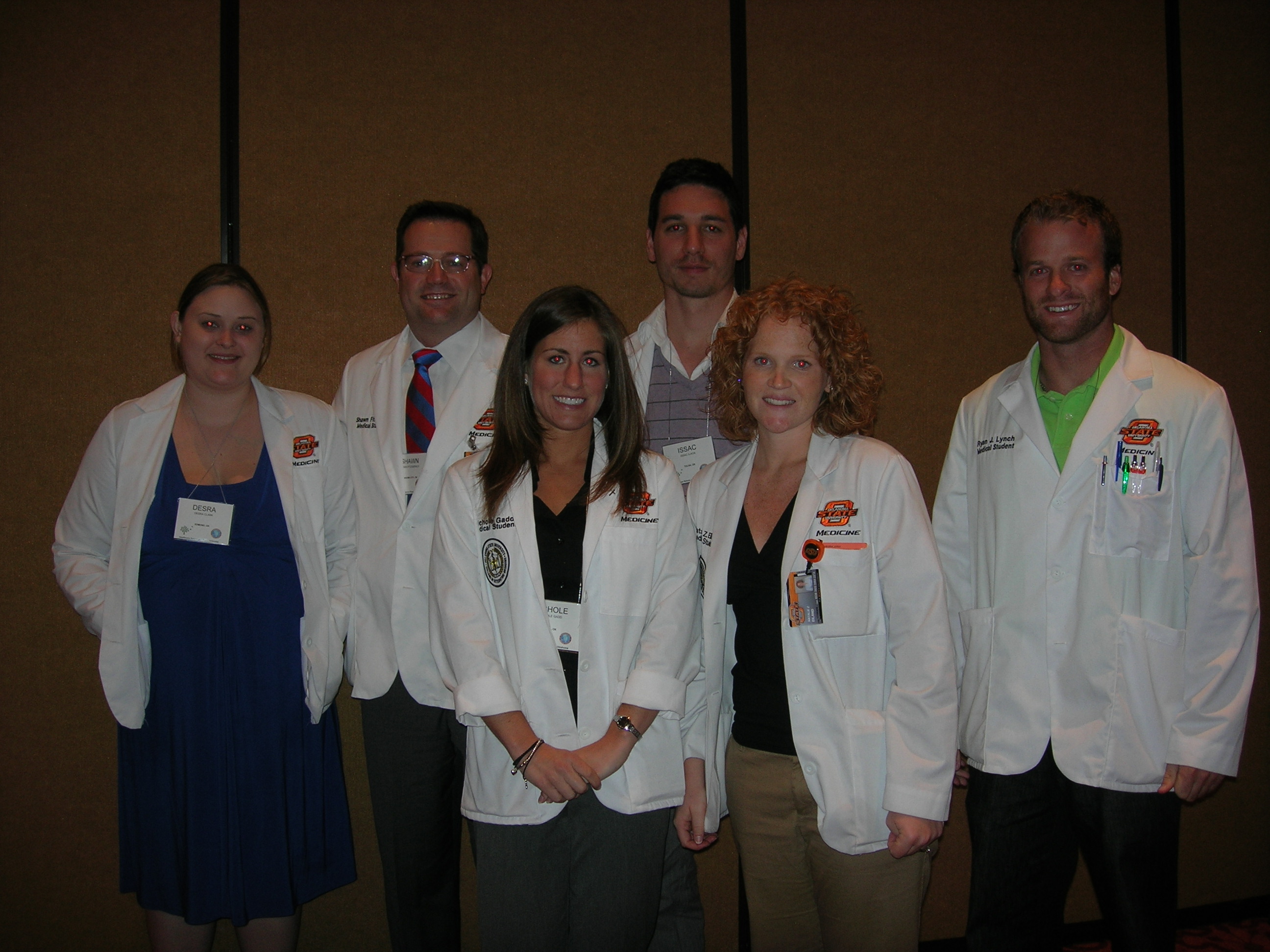
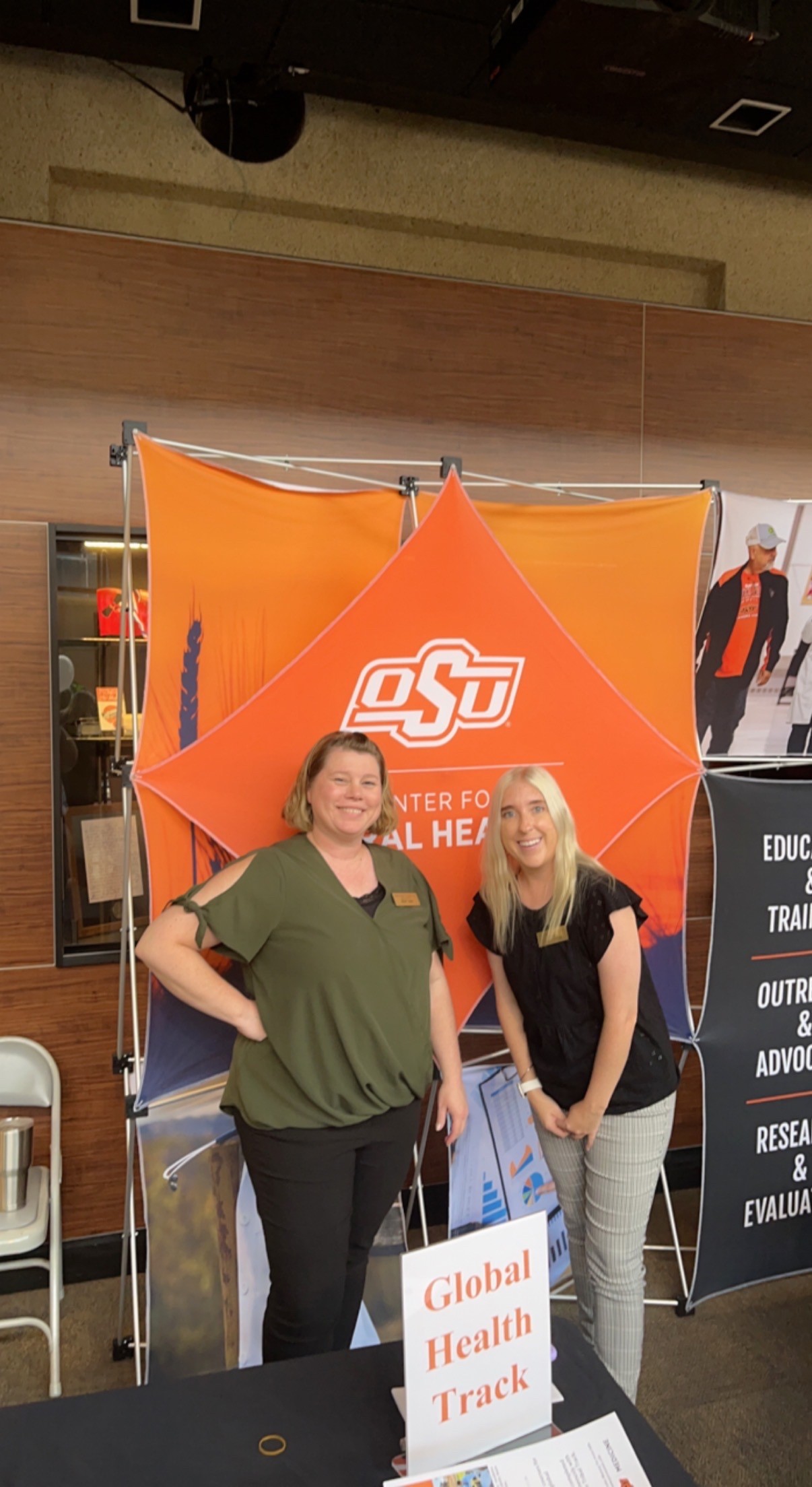
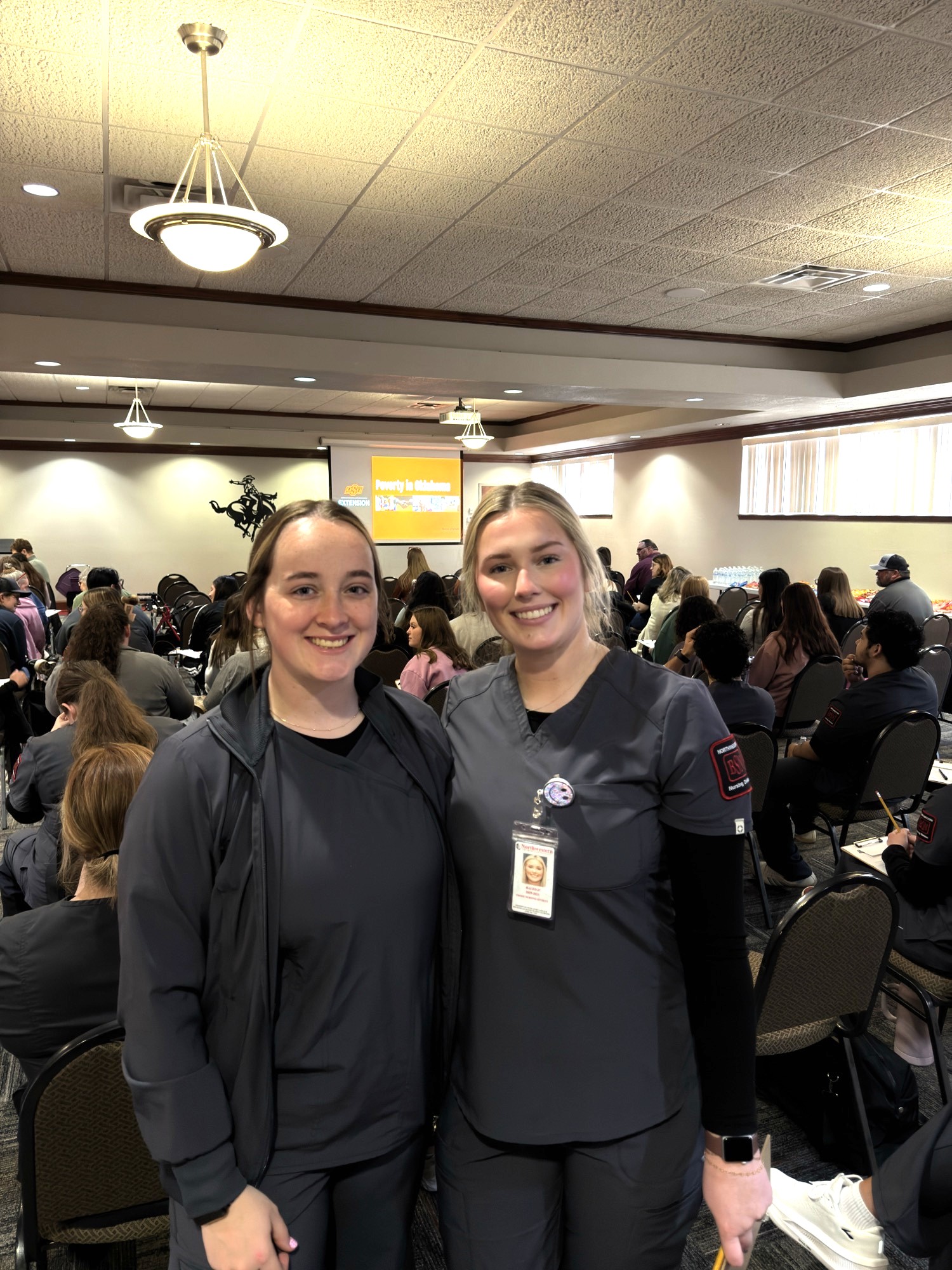
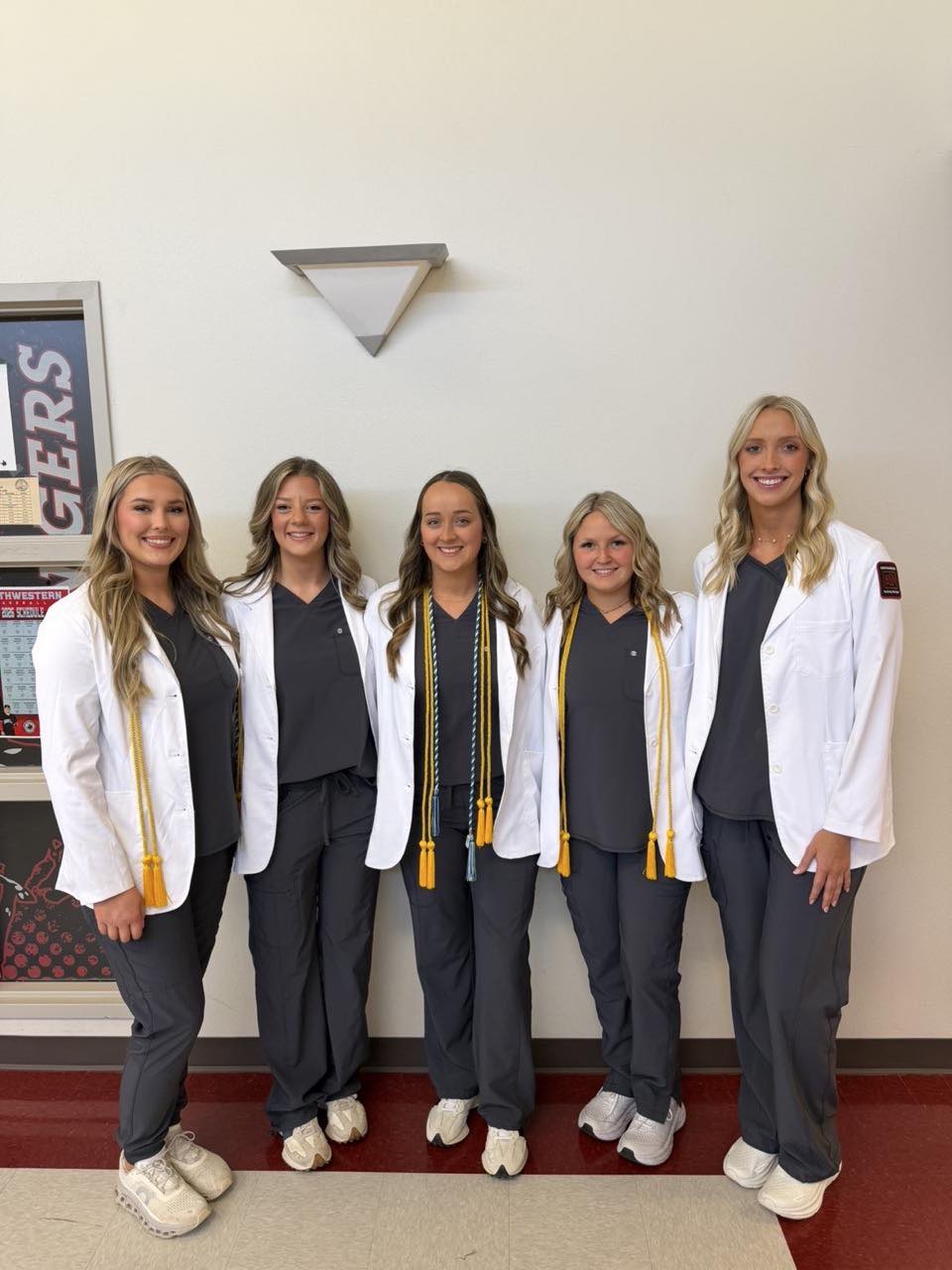





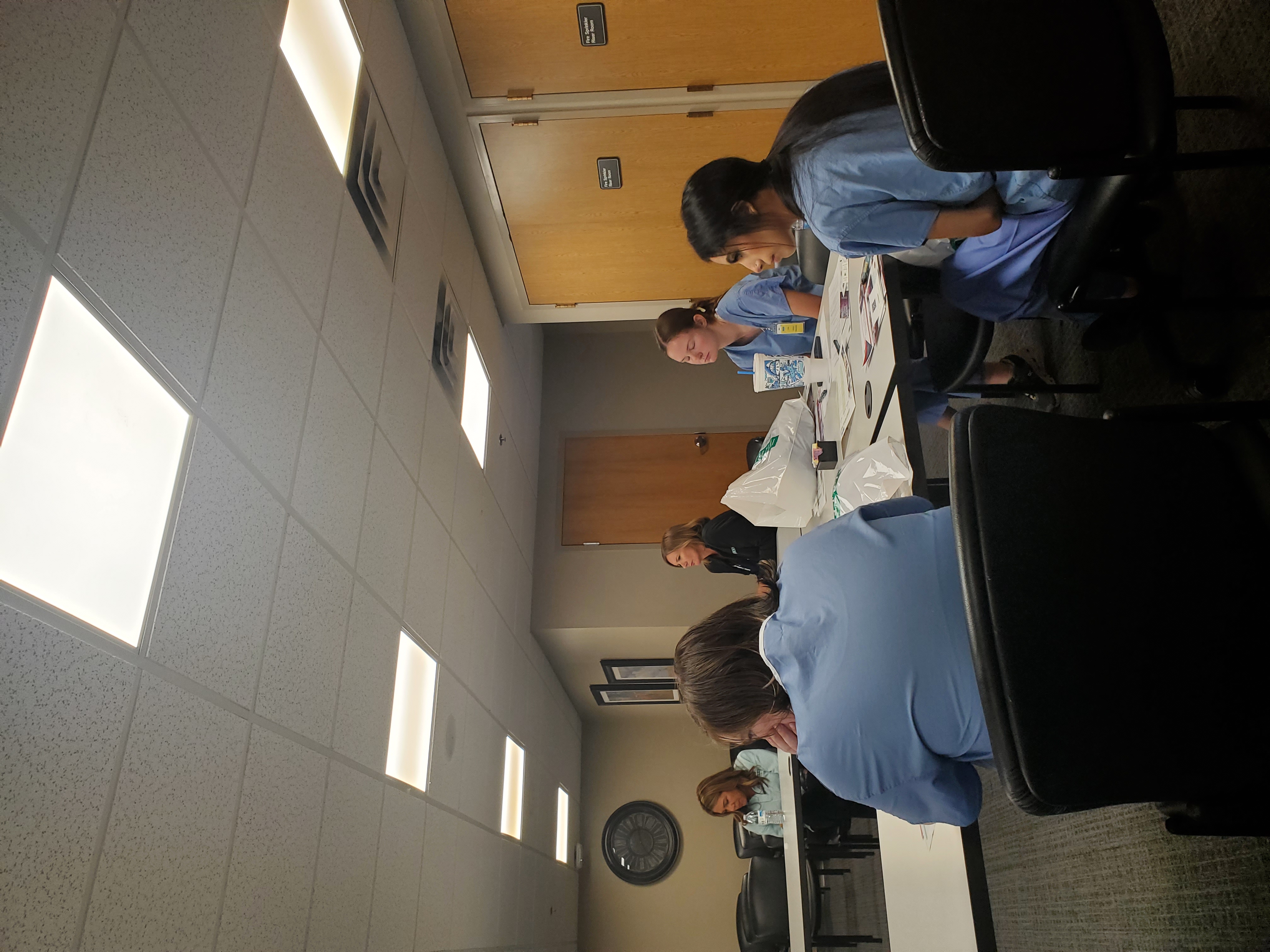
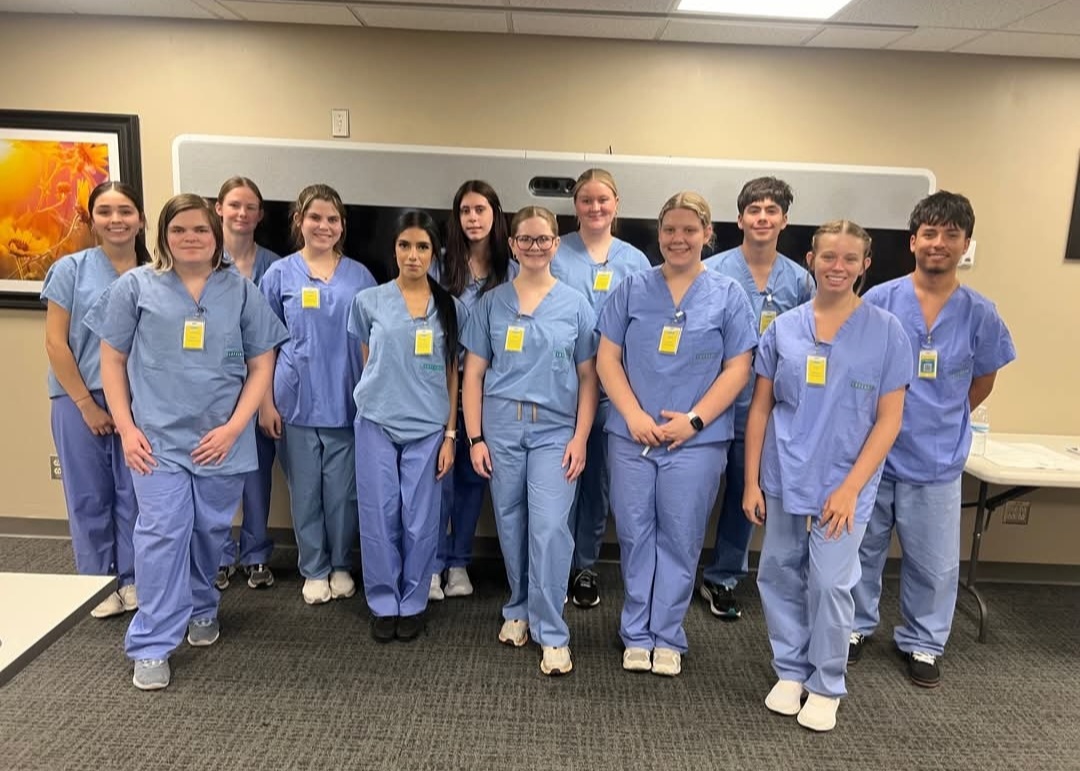
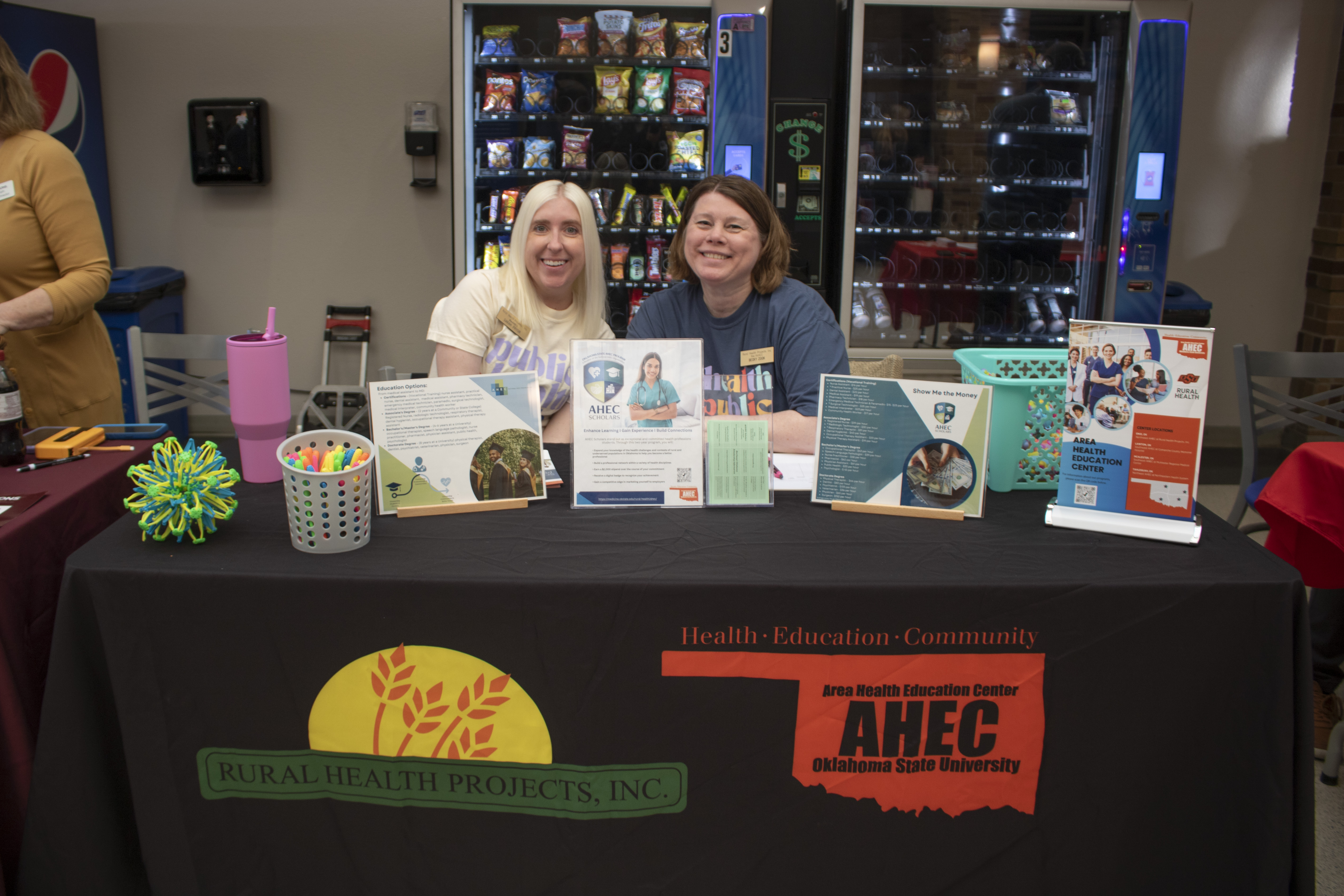
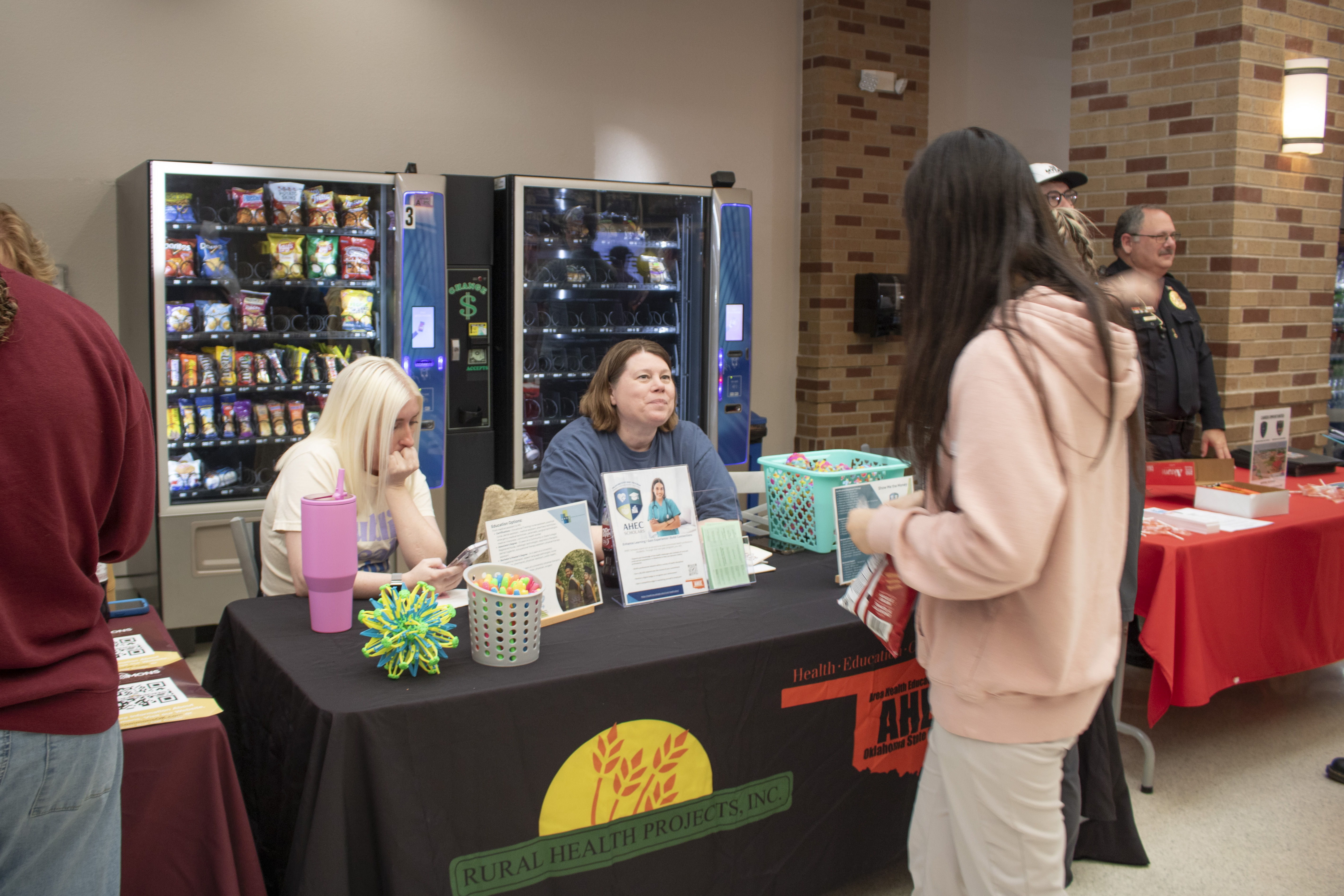

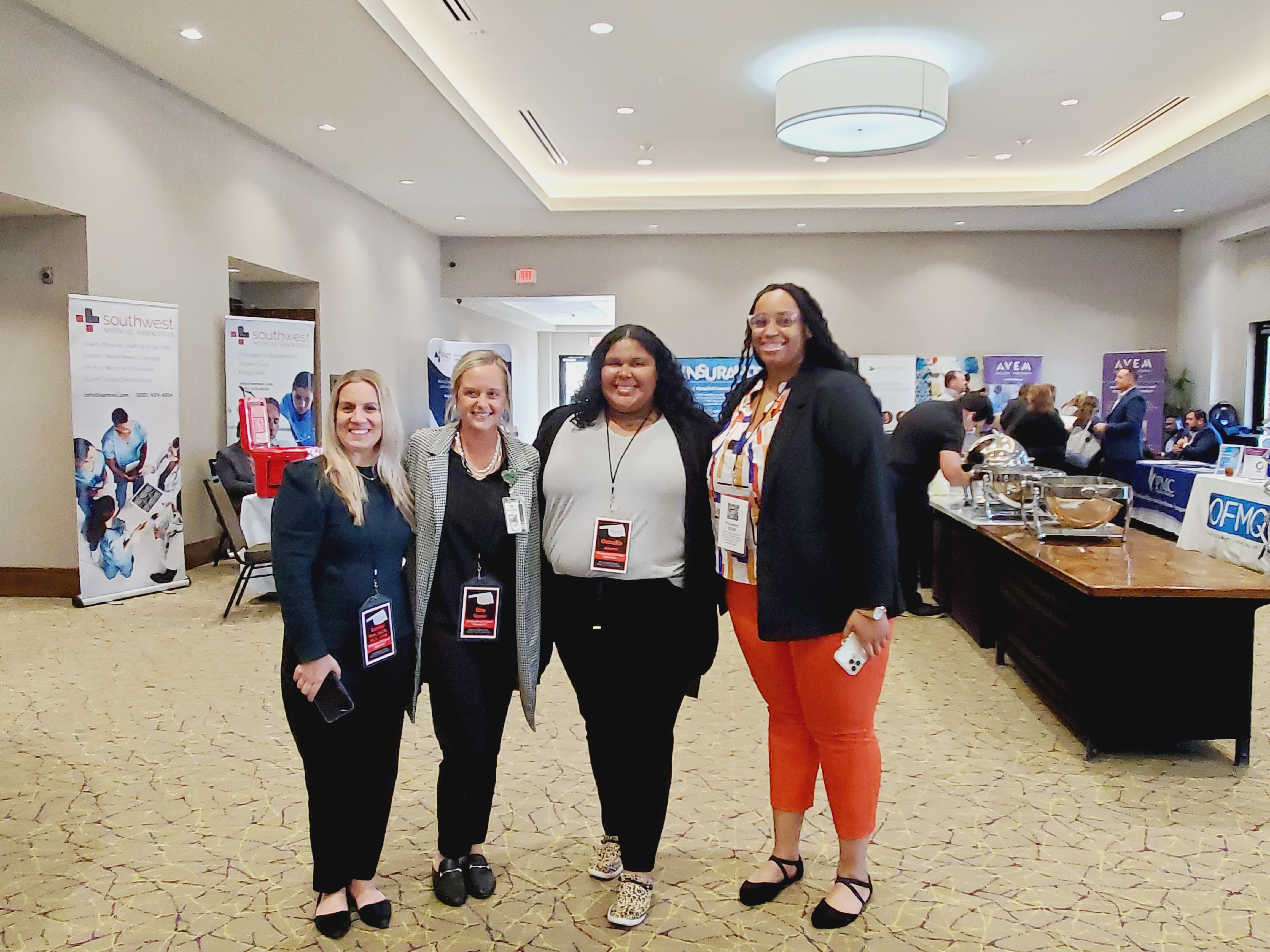
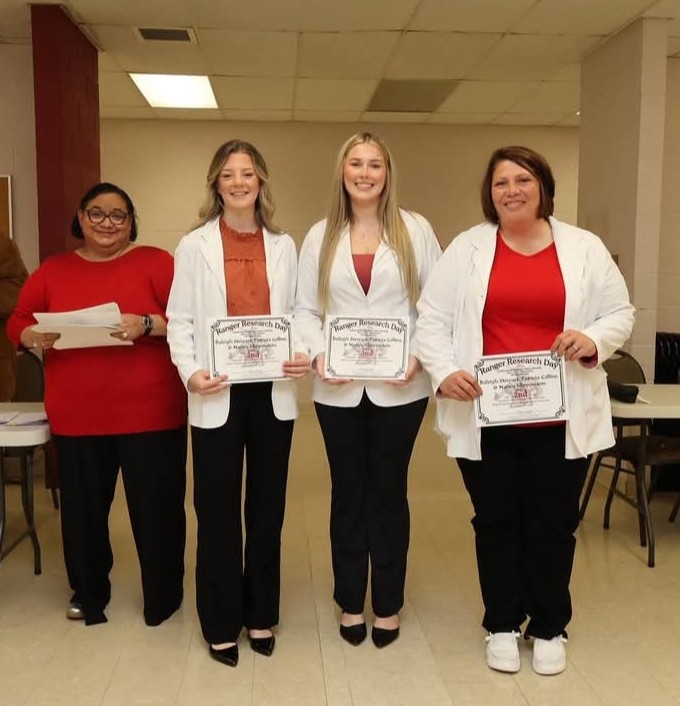
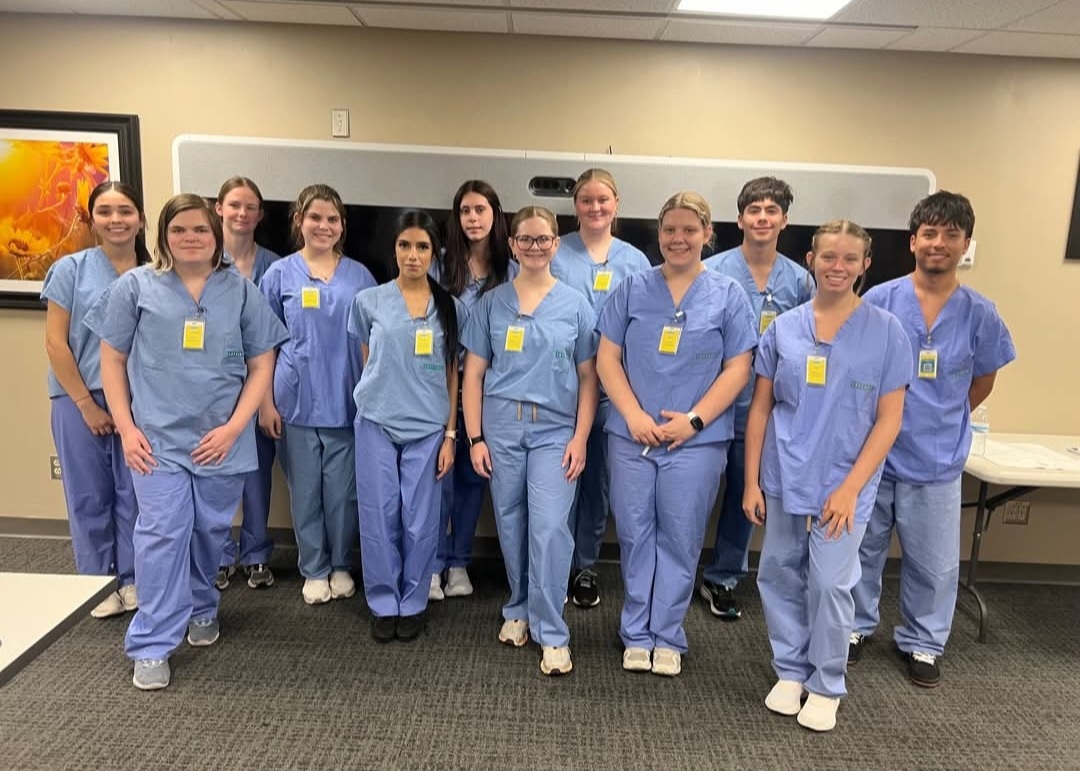

-
The program emphasizes an interdisciplinary team-based approach to address health disparities in your communities
-
Enhance healthcare knowledge in clinical and community settings
-
Participate in enhanced training experiences related to health care delivery impacting underserved communities
-
Some of your current clinical coursework may qualify for AHEC Scholars credit
-
AHEC Scholars curriculum can be completed at no cost and complements your existing coursework
-
Train on topics of leadership, communication, and critical thinking
-
Improved employability skills
-
Resume review
-
Resume building opportunities
-
Job interview preparation
-
Introduction to area health organizations
-
-
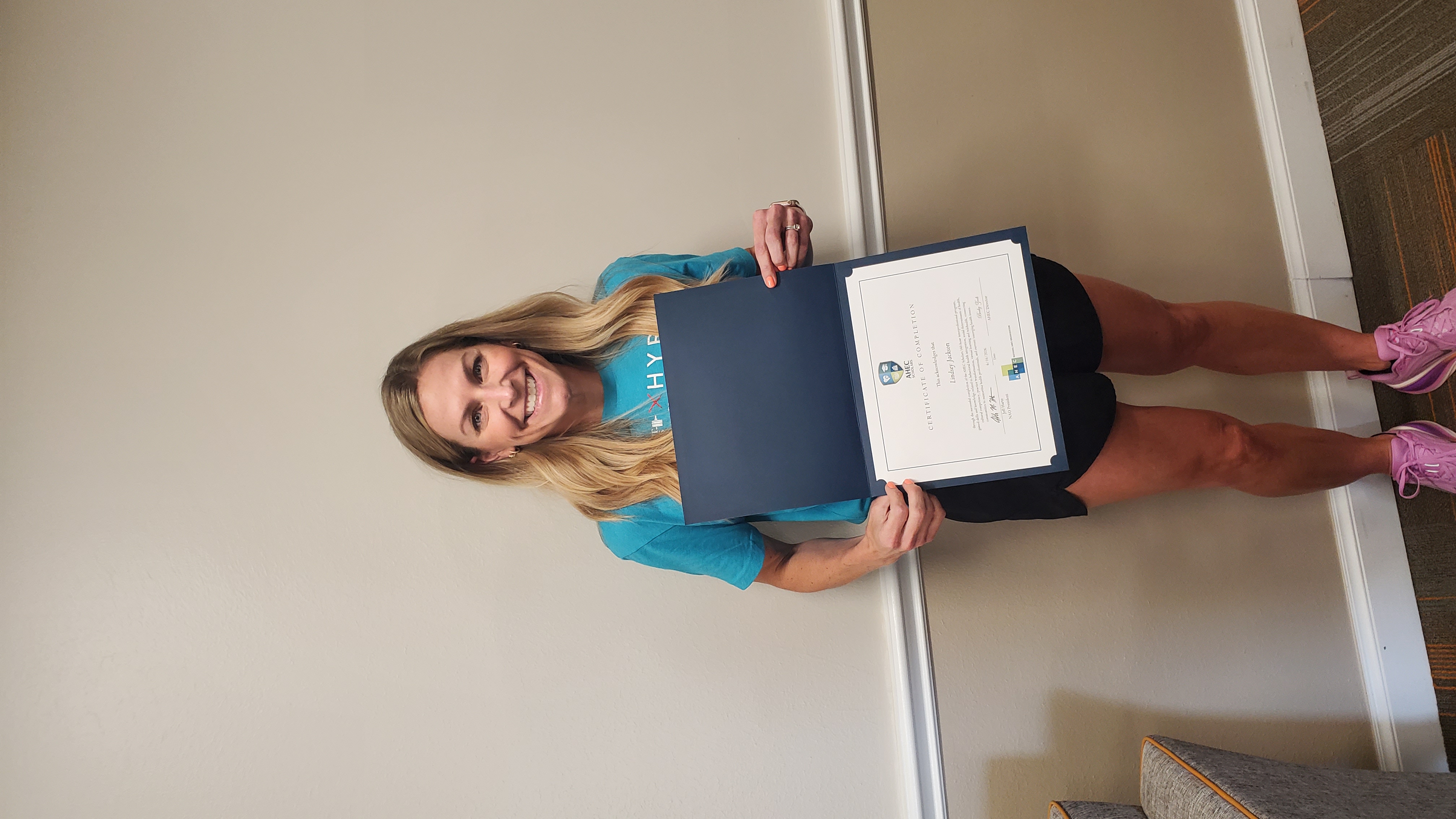
Receive an official AHEC Scholars certificate and letter of completion
-
Currently interest in rural or underserved healthcare
-
Be currently enrolled in a college-level health professions education training program in Oklahoma, maintain a 2.5 GPA, and be two years from program or degree completion
The program is open to students in disciplines that support primary health care services delivery in both clinical and non-clinical roles. Applicable majors include but are not limited to: medicine; community and public health; nutrition and dietetics; pharmacy; nursing; dental; optometry; communication sciences and disorders; social work; and counseling. The program has a special interest in students from underserved, under-represented populations, and/or disadvantaged backgrounds.
Program duration is two years and each year includes the following, for a total of 160 hours:
-
Must attend the online orientation
-
40 hours annually of community-based, experiential, or clinical training in rural and/or underserved area
-
40 hours annually of didactic education (focused on eight Core Topic Areas)
Core Topic Areas
-
Connecting Communities and Supporting Health Professionals
-
Virtual Learning and Telehealth
-
Interprofessional Education
-
Behavioral Health Integration
-
Social Determinants of Health
-
Practice Transformation
-
Current and Emerging Health Issues
Complete a follow-up evaluation one (1) year after exiting the program
28
Active Cohort Scholars
Total multi-disciplinary healthcare students actively supervised within the rigorous rural pipeline following recent regional program consolidations.
14
Certified CHWs
Total Community Health Workers successfully trained, including 5 specialists stationed directly within our Northwest Center.
175
Attendees
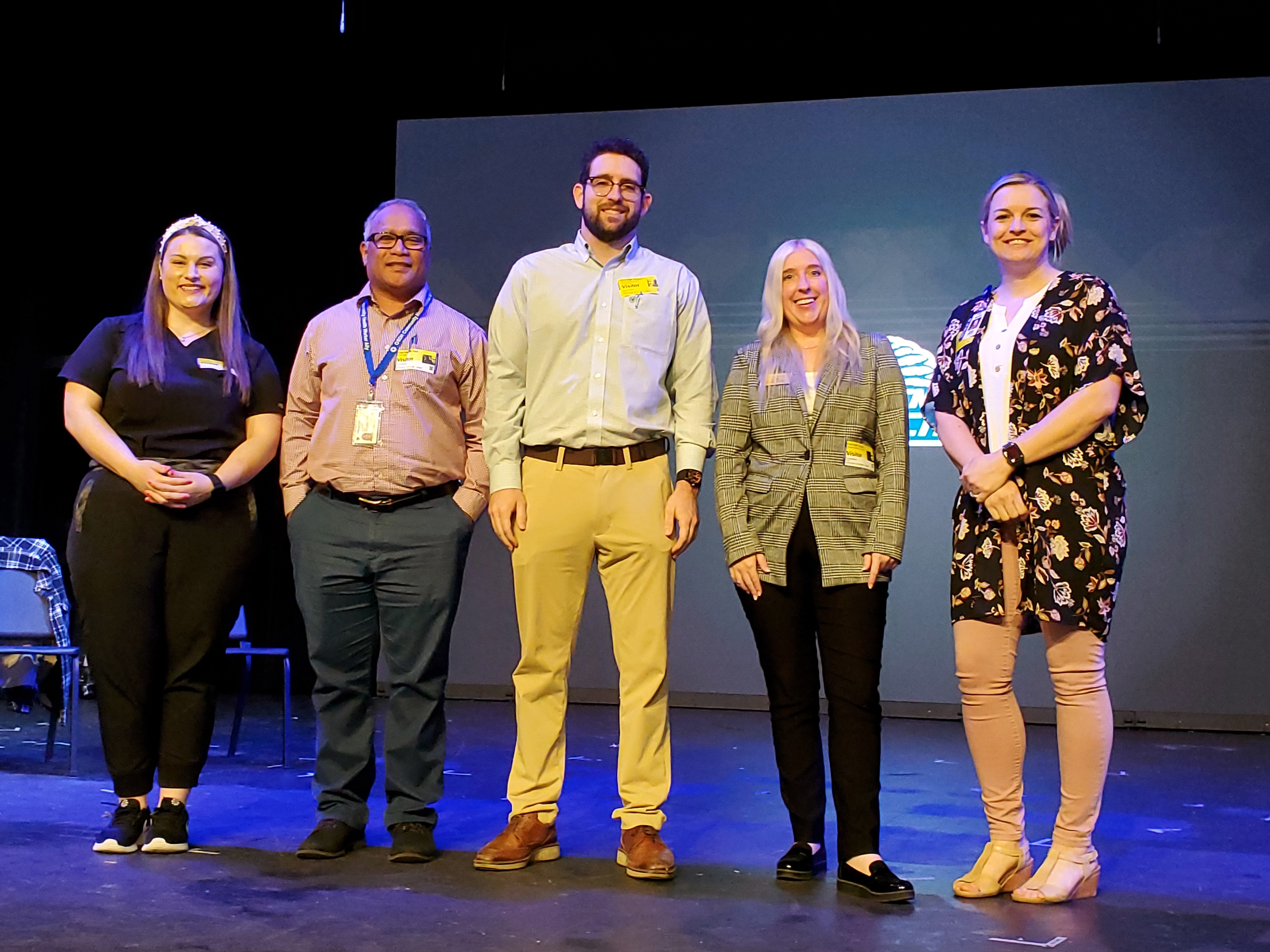
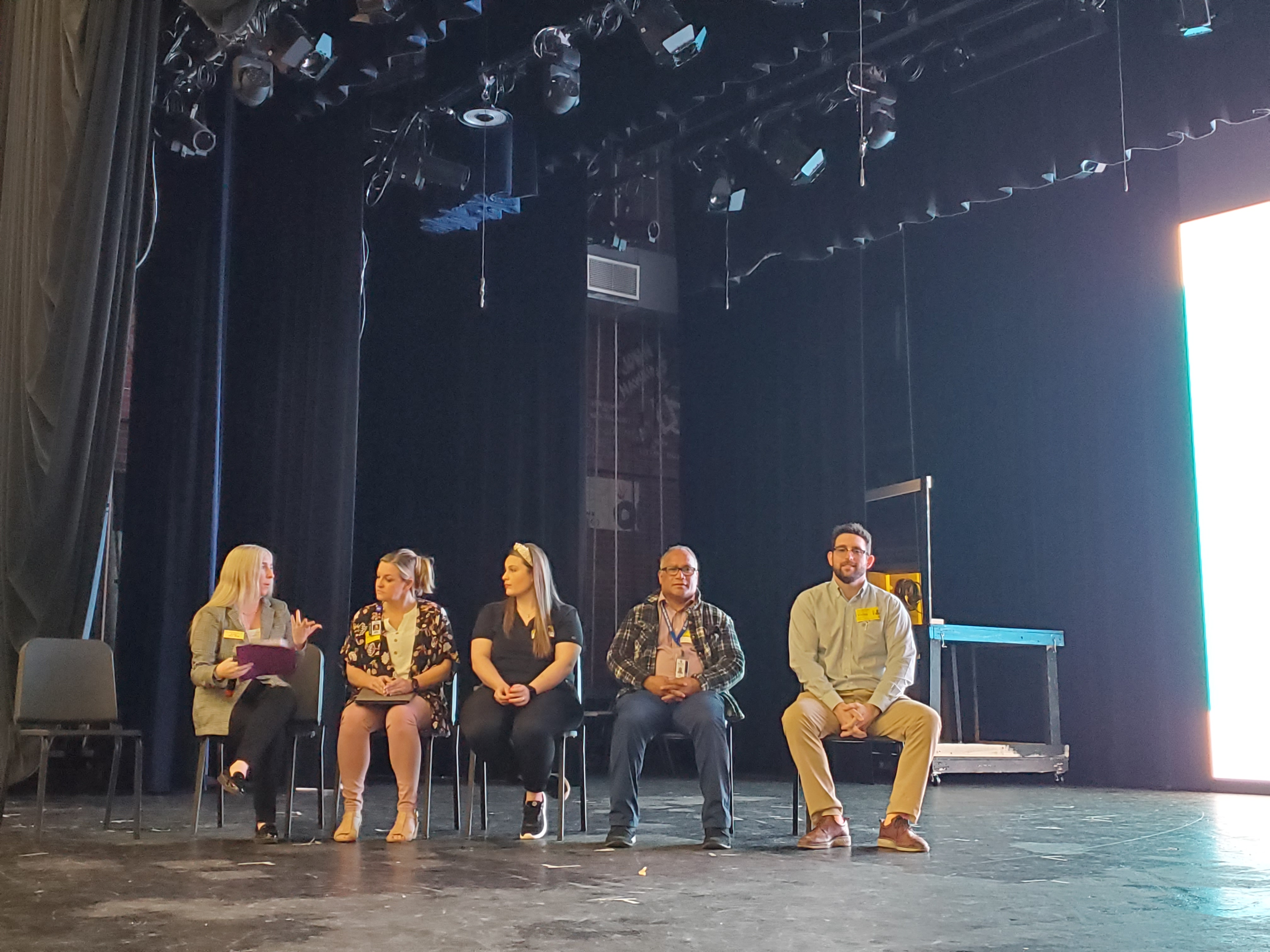
High school students engaged during the local Health Care Career Presentation panel.
135
Participants
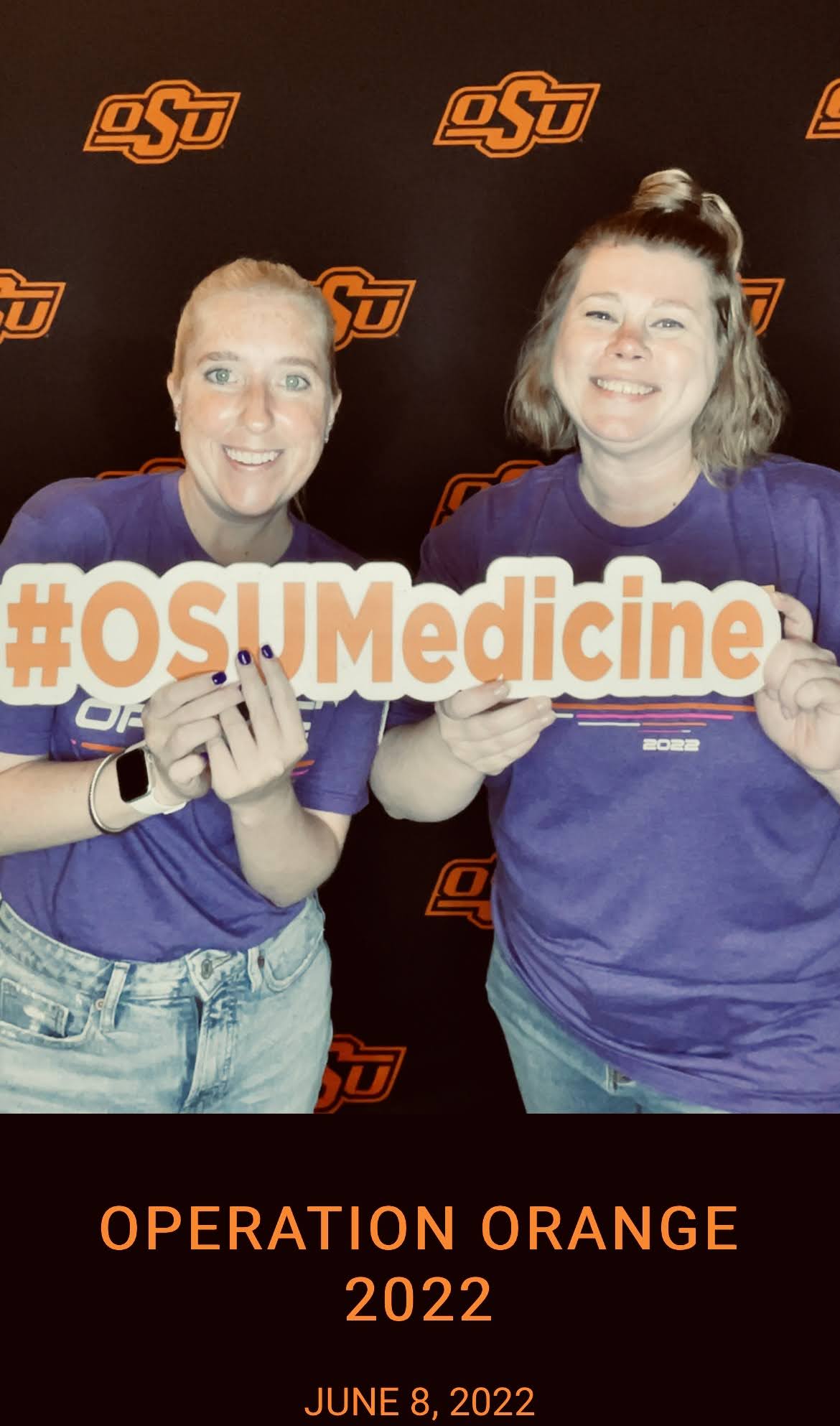
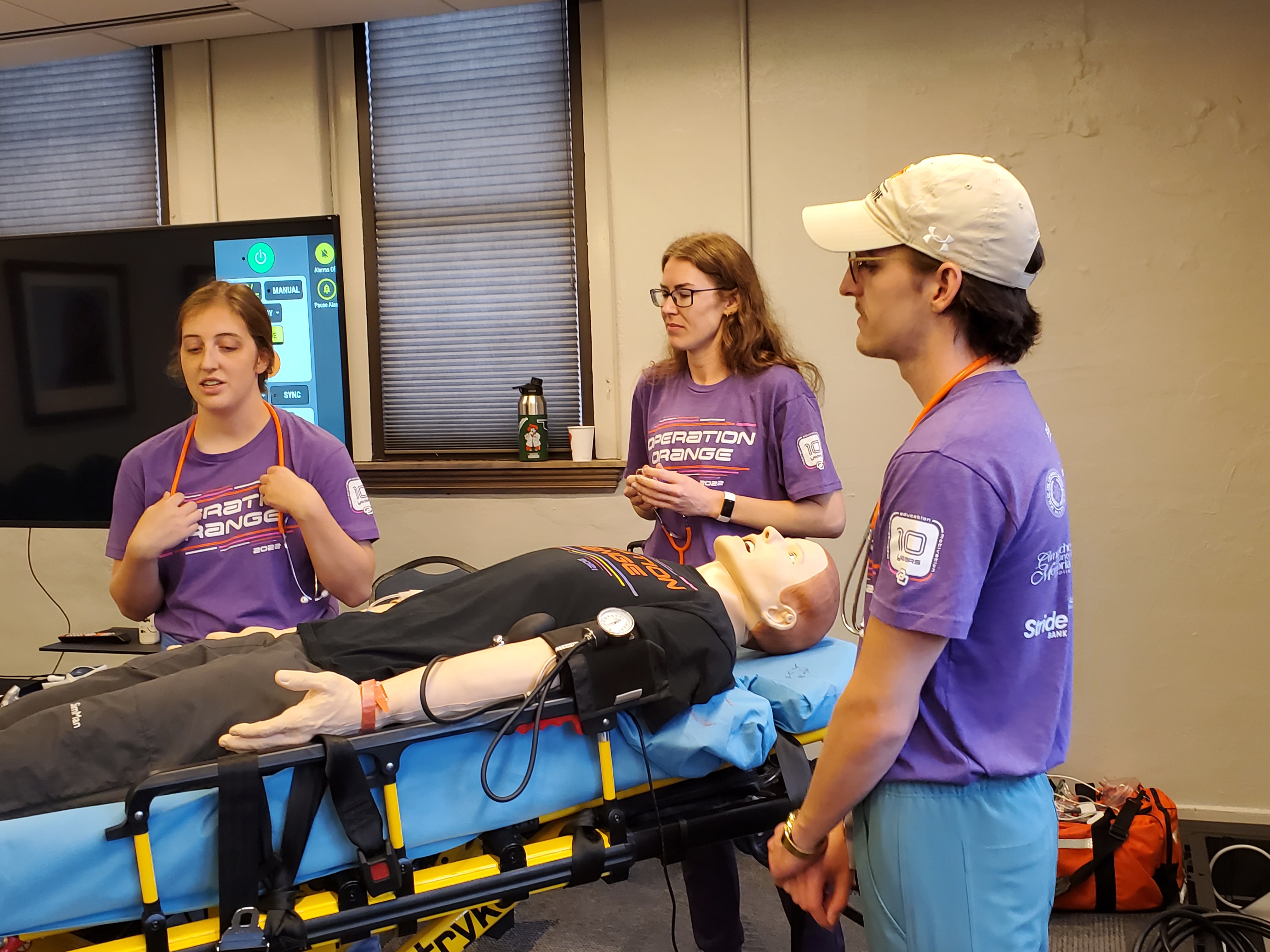
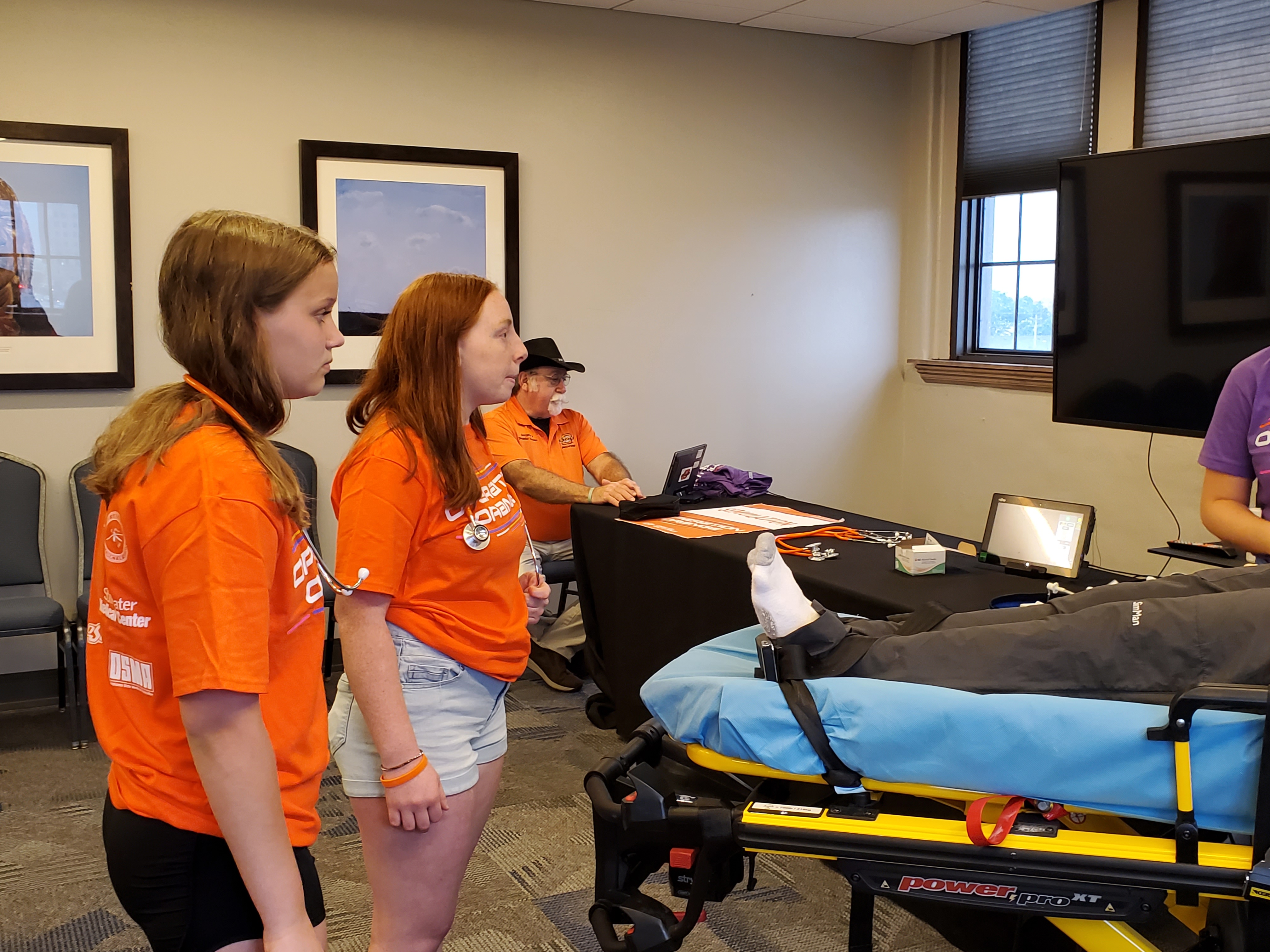
Northwest Oklahoma high school students who attended the Operation Orange mini medical camp.
Facts & Figures
Key Achievements & Community Impact
-
The AHEC Scholars Pipeline: Maintained a multi-disciplinary two-year rural health track preparing future professionals across nursing, public health, respiratory therapy, and physician assistant fields for rural primary care.
-
Statewide CHW Training: Implemented a comprehensive 15-week statewide Community Health Worker (CHW) training program utilizing alternating bi-weekly clubs and self-paced digital modules to bolster community-level navigation networks.
-
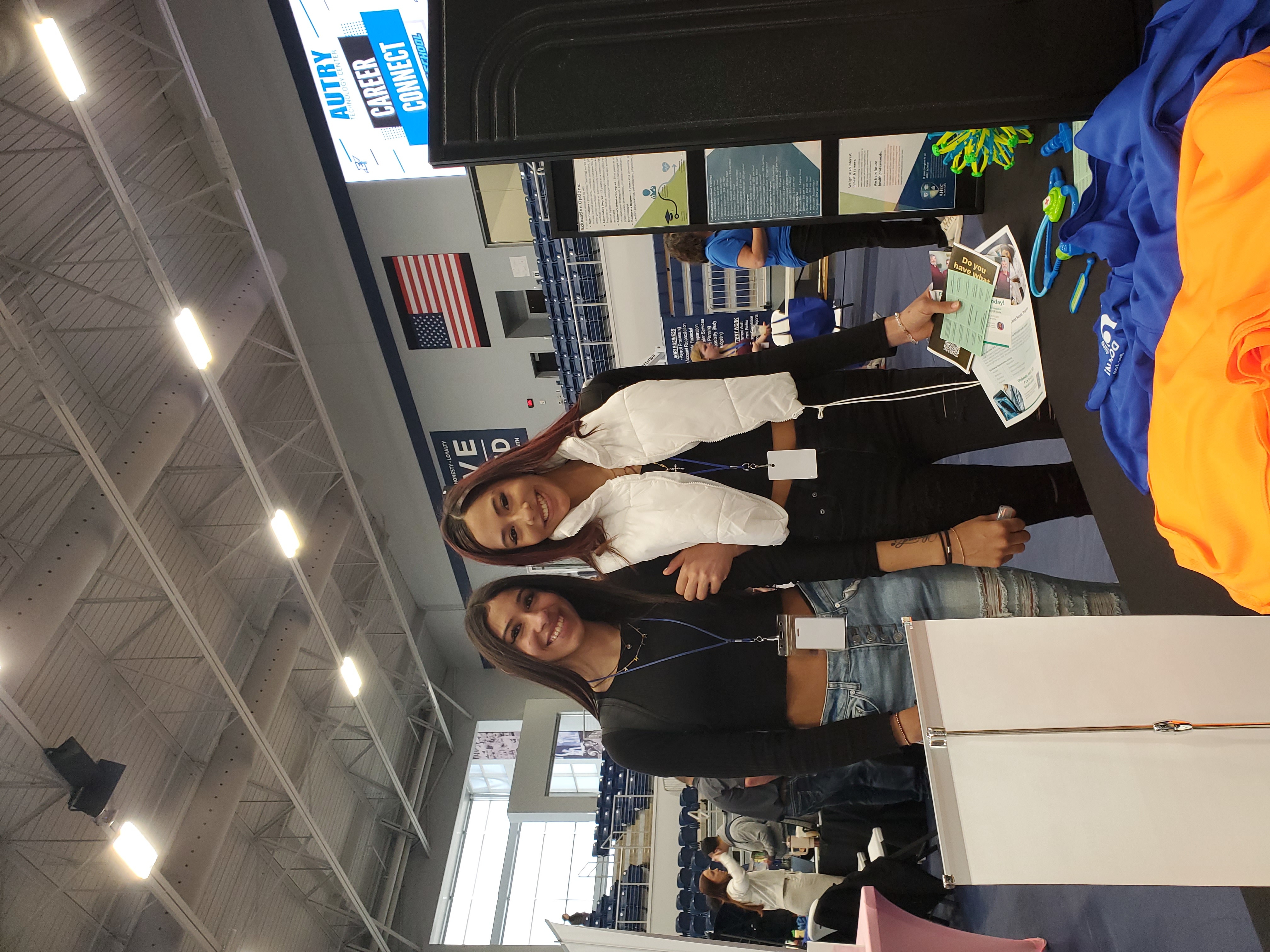
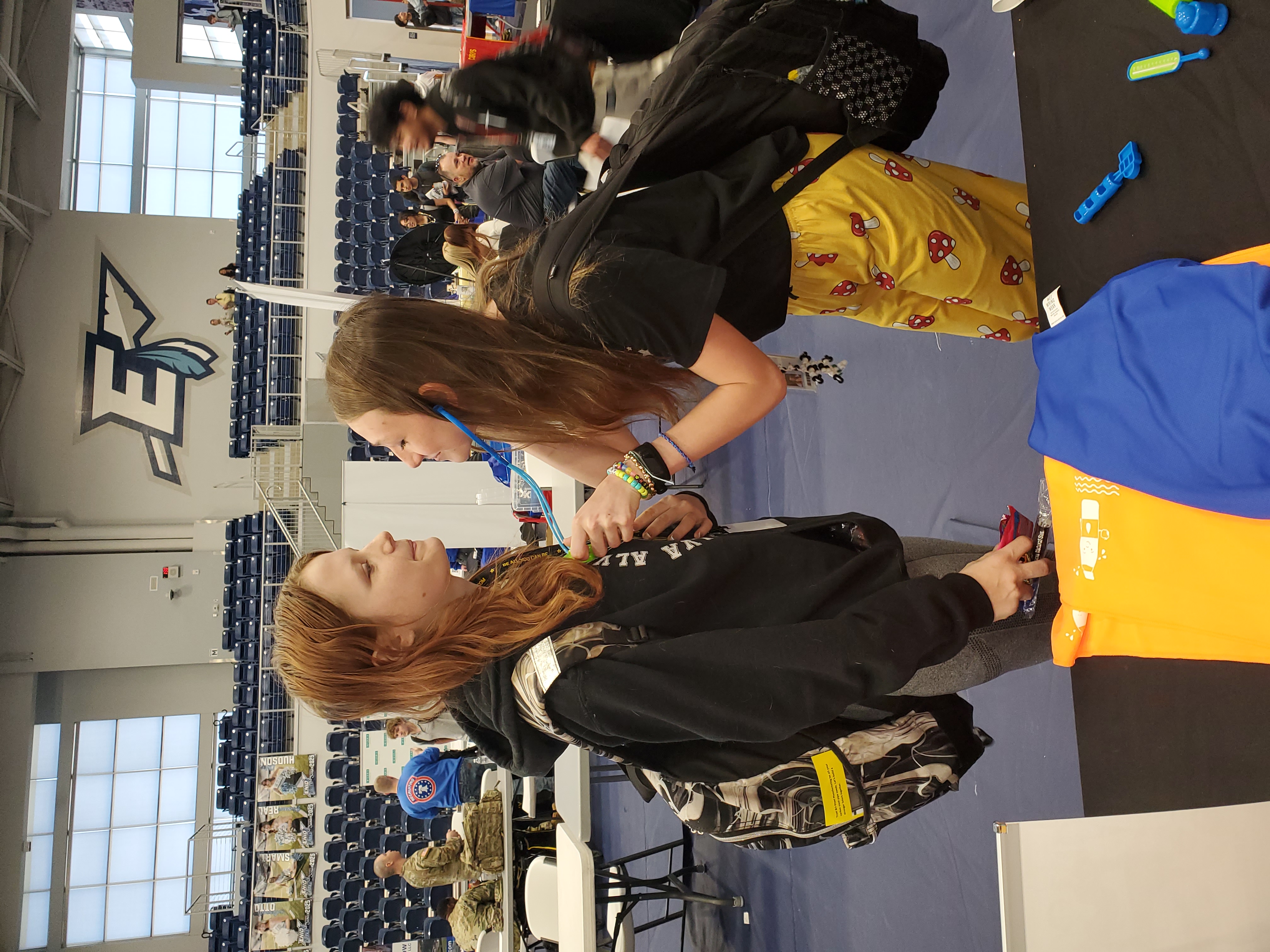
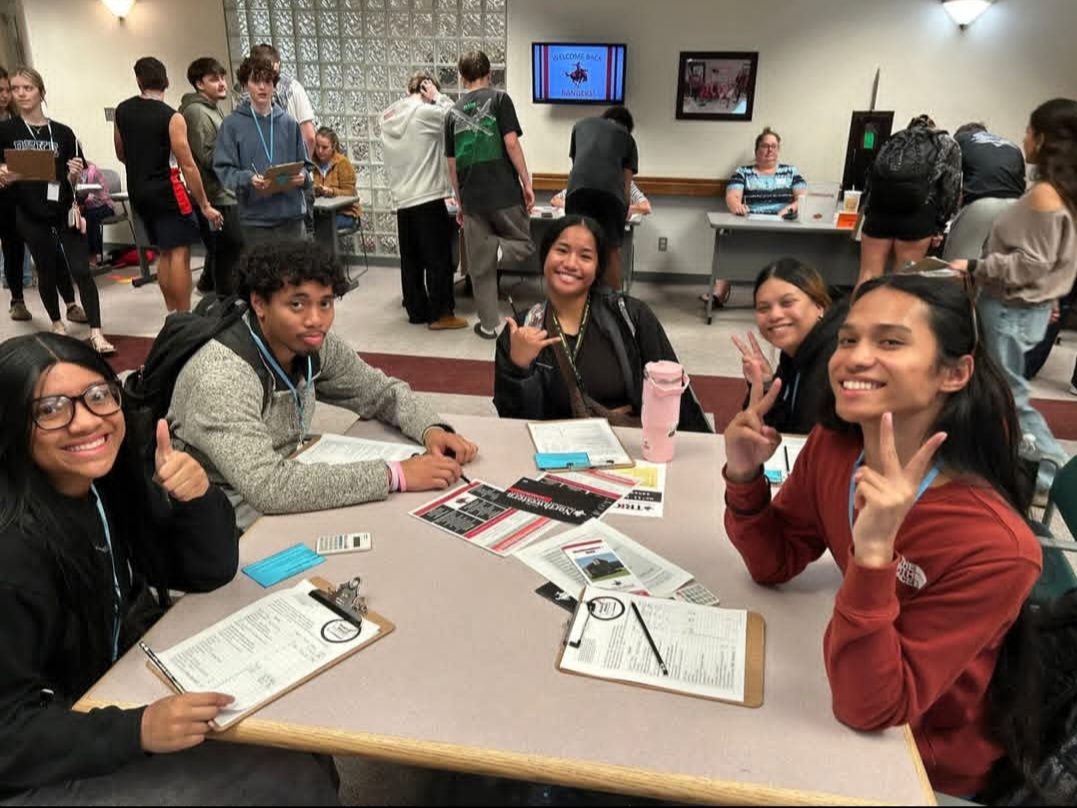
Inspiring Future Providers: Hosted milestone pipeline recruitment events like "Operation Orange," giving hands-on healthcare career exposure to rural youth.
-
Critical Professional Certifications: Delivered life-saving regional training courses, including Mental Health First Aid, PAX Tools, Fundamentals of Pharmacy, and specialized AIDS/HIV provider education.
-
Absorbed second regional area: Successfully absorbed regional students into the high-resolution Northwest center pipeline following state center consolidations, ensuring continuity of training across the state.